 Marcelo Oliveira
Icon of the Seas sails from Miami on 7-night cruises from R$ 6,234 per person in an interior cabin, with two adults per cabin (October 2026, Logitravel). It’s especially worth it for travelers who want the ship itself to be part of the vacation: water park, pools and family programming. The decisive choice is combining itinerary, cabin view and budget beyond the cruise fare.
✓ Verified on 10/09/2026 · sailings on Logitravel and rules on Royal Caribbean’s official pages.
| Port | Miami, Florida; confirm the terminal on your boarding documents |
|---|---|
| Duration | 7 nights / 8 days, returning to Miami |
| Lowest price among the sailings below | From R$ 6,234 per person · Interior ZI · 12/05/2026 · October/2026 |
| Ship | Icon of the Seas, by Royal Caribbean: debuted in January 2024, with Miami as its home port; around 5,600 passengers at double occupancy (up to ~7,600 when full) |
| Itineraries | Eastern or Western Caribbean, both with CocoCay |
| Price basis | 2 adults aged 35; per-person price, not the whole cabin |
| Documents | Original passport and appropriate US visa; check every port of call |
| Profile | Families and travelers who want to enjoy onboard leisure |
Contains partner links (advertising): we may earn a commission at no extra cost to you. Learn more.
In this article
🚢 This article is part of the 2026/2027 Cruise Guide.
How much does Icon of the Seas cost and which sailings should you compare?
Icon of the Seas departs from Miami from R$ 6,234 per person on the 12/05/2026 sailing, in an Interior ZI cabin, at double occupancy. To compare weeks without mixing conditions, the prices below use two adults aged 35 and the same entry-level category. (Prices checked in October 2026.)
Logitravel states that the prices shown include the base fare and per-passenger taxes. Airfare to the United States, a hotel before embarkation and optional spending must go into a separate budget. A couple pays two fares; the per-person price doesn’t buy a cabin for two on its own.
| Ship and port | Embarkation | Itinerary and duration | From, per person |
|---|---|---|---|
| Icon of the Seas · Miami · 11/14 | 11/14/2026 | Costa Maya, Roatán, Cozumel and CocoCay · 7 nights | R$ 6,555 (October/2026) |
| Icon of the Seas · Miami · 11/28 | 11/28/2026 | Costa Maya, Roatán, Cozumel and CocoCay · 7 nights | R$ 6,445 (October/2026) |
| Icon of the Seas · Miami · 12/05 | 12/05/2026 | Philipsburg, Charlotte Amalie and CocoCay · 7 nights | R$ 6,234 (October/2026) |
October 2026 prices, per person in an Interior ZI cabin at double occupancy. Sources: Western Caribbean sailings and Eastern Caribbean sailing. Availability and fares may change until the booking is completed.
On 12/05, two fares add up to R$ 12,468 for the couple. On 11/28, it’s R$ 12,890. These amounts are the cruise subtotal with the taxes shown, before flights, a Miami hotel and optional services. The R$ 422 difference between the two couples is small enough that ports of call and sea days should weigh more than the entry fare. (Prices checked in October 2026.)
Don’t pick the week based only on the cruise price. Compare airfare, nights in Miami and days off at the same time. A lower fare loses its edge if it forces you to buy a pricier flight or add a hotel stay. If you need to work around school holidays, also research the real cost with kids: the price for two adults doesn’t answer what a family will pay.
Which Icon of the Seas itinerary suits you?
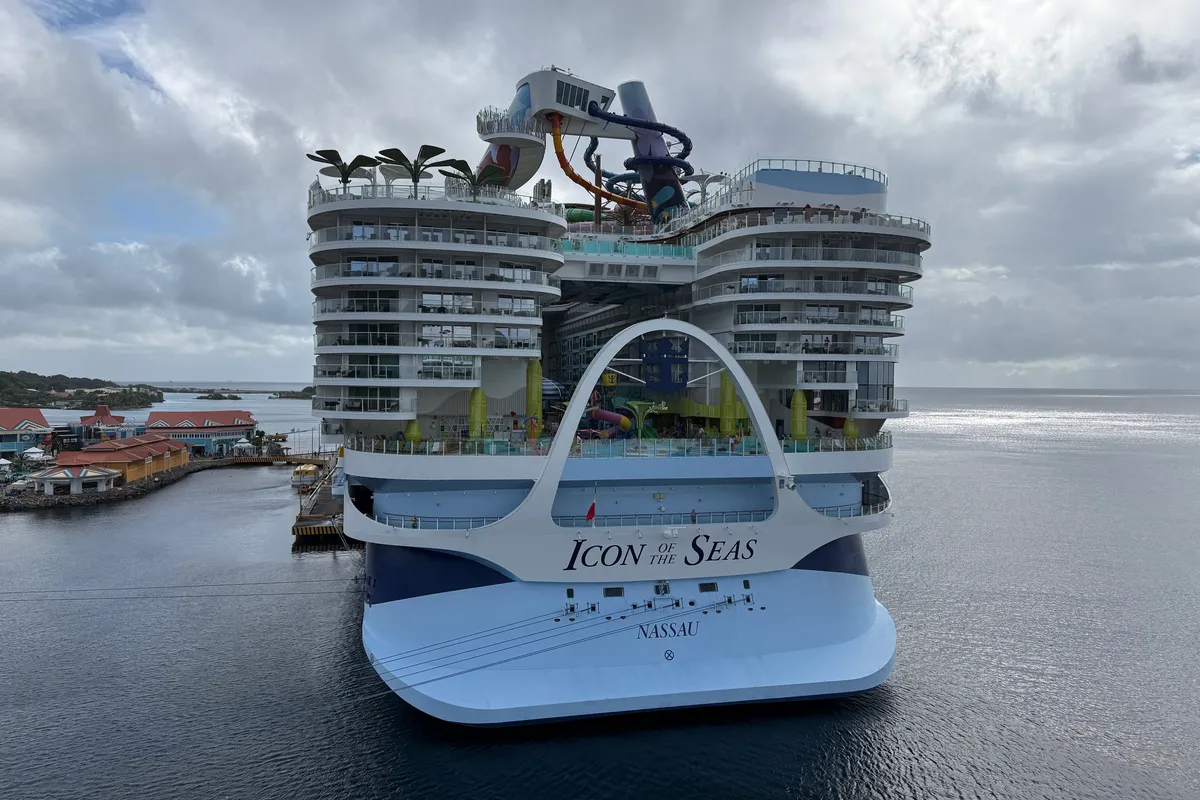
The Western Caribbean combines Costa Maya, Roatán and Cozumel; the Eastern route calls at Philipsburg and Charlotte Amalie. Both include CocoCay and return to Miami, but they split time between ports and sea days differently.
Choose the Western route if the three stops in Mexico and Honduras are an essential part of your vacation. The Eastern route offers more time on the ship: the published schedule has three sea days, versus two on the Western. If you want to enjoy pools, attractions and shows without cramming everything into a single afternoon, that difference matters.
| Day | Port | How to plan |
|---|---|---|
| 1 | Miami | Embarkation; departure published at 4:30 pm, which is not your terminal arrival time |
| 2 | At sea | Explore the ship’s areas and plan restaurants and shows |
| 3 | Costa Maya | Port of call in Mexico; book only excursions that fit your time in port |
| 4 | Roatán | Port of call in Honduras; check transfers and return to the pier |
| 5 | Cozumel | Mexican port of call; compare excursions with transport included |
| 6 | At sea | A day to enjoy attractions you haven’t gotten to yet |
| 7 | CocoCay | Free beaches and pool; specific attractions may require a ticket |
| 8 | Miami | Debarkation; don’t schedule anything for the moment the ship arrives |
Source: Western itinerary on Logitravel (October/2026). On the Eastern route, days 2, 3 and 6 are at sea, day 4 is Philipsburg, day 5 Charlotte Amalie and day 7 CocoCay. Check the itinerary for your chosen week: times and the order of ports can change.
To compare ports of call, think about which excursion you’d pay for even outside a cruise. A string of expensive tours can drive up costs fast. You can also enjoy the ship during a port stop, but that reduces the value of paying more for an itinerary chosen for its ports. Read the step-by-step guide to your first cruise if you want to understand debarkation, return times and how to organize days onboard.
What’s included and which extras add to the bill?
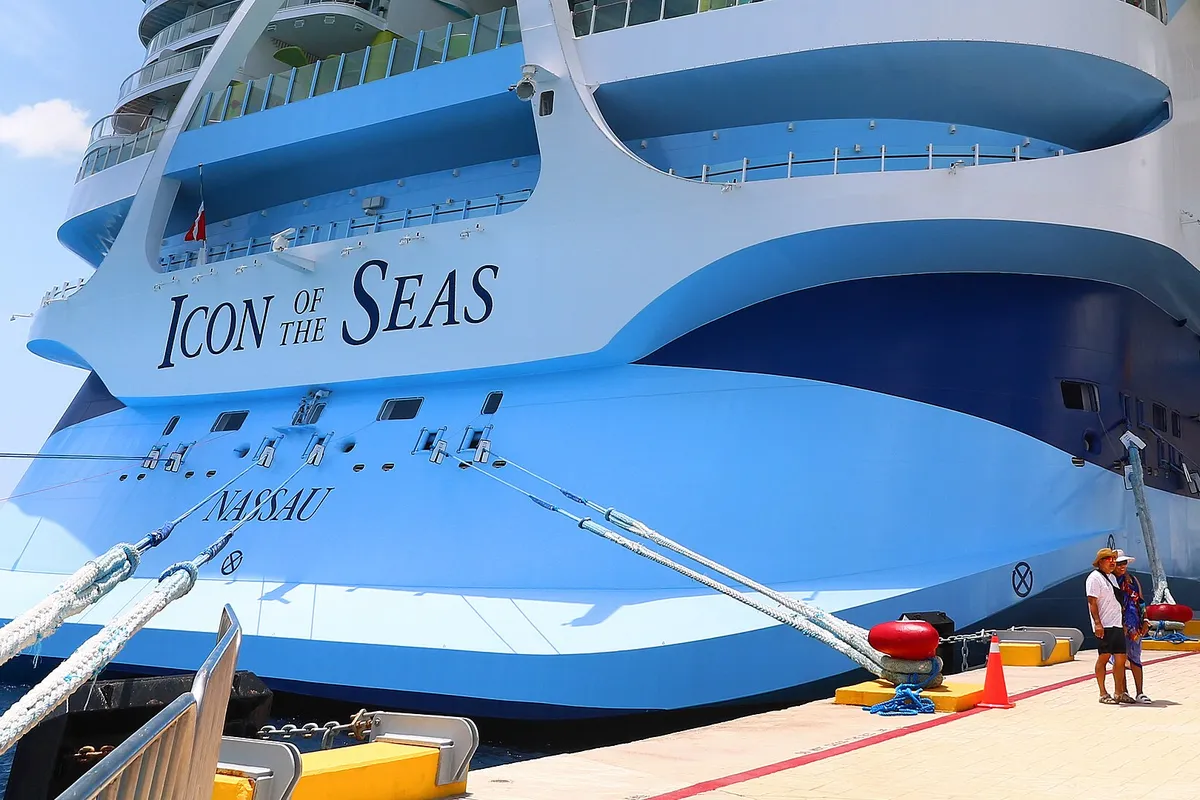
The fare includes your cabin, meals at the complimentary restaurants and much of the onboard leisure; drinks, internet and add-on services aren’t all part of the same package. Your final spend depends on which of these services you actually plan to use.
According to Royal Caribbean, Category 6 on the Icon and the Surfside area are part of the included activities. That doesn’t make every experience at CocoCay free: the Thrill Waterpark and specific clubs on the island are separate purchases. Choosing the island because of a waterslide photo and only discovering that difference onboard can throw off your budget.
| Item | In the fare? | Decide before the trip |
|---|---|---|
| Cabin and basic meals | Yes | Use the complimentary restaurants; specialty dining is charged separately |
| Pools, shows and Category 6 | Included depending on the activity | Check the schedule and requirements for each attraction |
| Served water, regular coffee and tea | Included at dining venues | Bottles, specialty coffees, sodas and alcohol may cost extra |
| Internet and excursions | Extra | Compare packages per user/device and excursions per person |
| Spa, photos and medical center | Extra | Medical care is not covered by the fare |
| CocoCay | Partly free, partly paid | Separate beaches/Oasis Lagoon from the park, clubs and cabanas |
How do you add up the whole trip?
Do the math in this order: two cruise fares, services not covered at booking, flights, a hotel the night before, airport–hotel–port transport, insurance and excursions. Then add drinks, internet and specialty restaurants you’ve decided to book. For a family, use the amounts for all passengers and the cabin with the right capacity, instead of multiplying an adult fare by each child.
The current Royal gratuity table lists US$ 18.50 per guest/day in non-suite cabins and US$ 21 in suites (October/2026). For seven nights, that comes to US$ 129.50 or US$ 147 per person. The page states that gratuities are charged automatically when not prepaid and can be adjusted onboard. On the pages for these sailings, Logitravel indicates gratuities paid at booking: ask for the breakdown and don’t add that amount again if it’s already in the total.
Drink, internet and excursion packages depend on the booking and available promotions. Check the final price with any service charges before buying. Keeping these items in the currency they’re charged in helps you avoid a conversion that looks like a guaranteed price in reais. The total cruise cost guide goes deeper into organizing your budget.
Tip: to compare the same date and cabin in dollars, check CruiseDirect. The site is in English and charges in dollars; factor in exchange rates, applicable IOF tax and what’s included before comparing with Logitravel BR.
How to choose a cabin without confusing balcony and view
First choose the view and the type of accommodation; then compare category, location and price. On the Icon, a balcony facing Central Park or Surfside is a different experience from a balcony with an ocean view.
For a couple who wants to save and spend the day out of the room, an interior cabin is a starting point. If natural light is a must, an outside cabin with a window may be preferable. If the expectation is sitting outdoors looking at the sea, specifically look for a traditional ocean-view balcony; the word “balcony” alone doesn’t settle that choice.
| Category on 11/28/2026 | From, per person | What to check |
|---|---|---|
| Interior ZI | R$ 6,445 (October/2026) | Category conditions and cabin assignment |
| Outside YO | R$ 6,915 (October/2026) | Window and position; not the same as a balcony |
| Balcony XN | R$ 7,698 (October/2026) | View and assignment: don’t treat as a guaranteed ocean-view balcony |
| Ocean View Balcony D3 | R$ 9,945 (October/2026) | View, deck position and any obstruction of the cabin |
| Junior Suite JS | R$ 25,978 (October/2026) | Specific benefits and size; a suite doesn’t mean every extra is included |
October 2026 prices, on the same 11/28 sailing and for two adults; per-person amounts from the Logitravel cabin table. The difference between Interior ZI and Ocean View Balcony D3 is R$ 3,500 per person, or R$ 7,000 for the couple. It’s worth weighing that extra against how much time you plan to spend in the room.
Traditional balcony or Infinite Balcony?
The official Icon staterooms page shows the Infinite Balcony as a convertible area: the window opens with a control and the space merges back into the interior when closed. That’s different from a conventional outdoor balcony. There are categories facing the ocean and Central Park; check the full name, the code and the deck plan before paying.
How to fit a family without improvising?
The Family Infinite Ocean View Balcony holds up to six passengers; the Surfside Family Suite, up to four, described as two adults and two children. Don’t assume every family cabin fits the same group. Check beds and bunks, privacy, bathroom and the authorized capacity for your group’s ages. The Ultimate Family Townhouse holds up to eight, but it’s not the price benchmark for an average family.
A guaranteed cabin leaves the assignment to the cruise line. It can make sense when price matters more than position; it’s a poor choice if you need connecting rooms, accessibility adaptations or a specific view. If you’re a light sleeper, check the deck plan for areas above, below and nearby, and confirm the cabin before buying. The official category guide helps distinguish interior neighborhoods from ocean views.
Tip: if the sea is the reason you’re paying for a balcony, compare ocean-view cabins on your chosen sailing and read the full category name. Book by the attribute you need, not just the lowest price in the “balcony” column.
How do onboard leisure, kids’ programs and restrictions work?
The Icon suits families who want leisure on the ship itself, but children’s ages and usage restrictions should guide the booking. Not every activity is appropriate for every passenger.
Adventure Ocean serves kids aged 3 to 12, and there’s programming for teens aged 13 to 17. The nursery for little ones is charged separately. If you’re counting on it for dinner or downtime, check operating hours and whether you can reserve, instead of assuming the service will be available whenever you need it.
Under Royal’s Brazilian terms, babies must be at least six months old at embarkation. The minimum rises to twelve months on selected itineraries or those with three or more consecutive days at sea. The routes above shouldn’t be used to assume the rule for any other sailing: the sequence of sea days makes a difference.
The policy for pregnant travelers bars boarding if the passenger enters her 24th week at any point during the trip. For US departures, the age to travel unaccompanied is 21, per the age policy. Guardians traveling with minors should also check cabin requirements and travel authorization; Brazilian legal adulthood doesn’t override the boarding rule in Miami.
For older travelers or people with reduced mobility, decide based on cabin and excursion accessibility, plus the size of the ship. Onboard distances and daily movement deserve planning. Use the official special needs form to report equipment and assistance needs. A wheelchair or scooter must fit and be stored in the cabin; boarding assistance isn’t the same as personal care during the vacation.
Planning restaurants also changes a family’s pace. Separate complimentary meals from specialty dining and check show reservations in the app. You don’t need a dining package to have breakfast, lunch and dinner, but if a specific restaurant is a must, treat that service as an add-on purchase. With kids, a looser schedule lets you enjoy the ship without turning every hour into a race between attractions.
How to get to the cruise port in Miami
The sailings compared here depart from PortMiami; if you’re coming from Brazil, arriving in the city the day before is a prudent buffer against flight delays. The terminal and check-in time should be the ones on your travel documents.
The official PortMiami guidance lists Terminal A at 2000 N Cruise Blvd and other terminals. It also says to check your documents, since operations can change. Don’t just tell the driver “Miami port”: bring the ship’s name, terminal and sailing details.
The ship’s departure time isn’t the deadline to reach the port. Complete online check-in, choose your arrival time in the app and follow the cruise line’s instructions. Royal requires that anyone who hasn’t checked in online complete the process at the port at least two hours before the published departure. Allow time for luggage, lines and document checks.
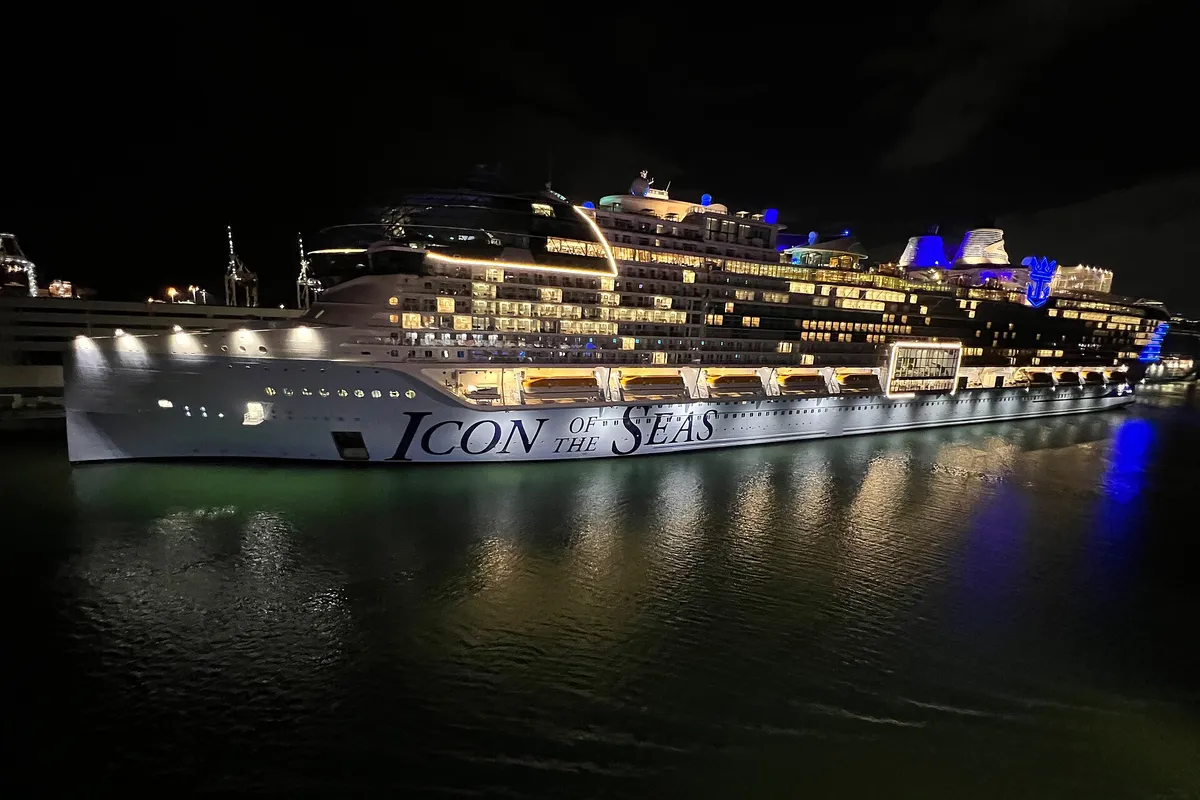
Downtown and Brickell can serve as a base for the night before; Miami Beach suits those who want to add beach time to the vacation. Compare location, transport to the terminal and lodging costs in the where to stay in Miami guide. Location solves part of the logistics, but the route still needs to be planned around your check-in time.
If you arrive with a free day, a city tour lets you enjoy Miami without adding another long trip before embarkation. Save cruise day for getting to the terminal and handling documents.
If you prefer a short outing, you can book a bay tour at another time during your stay. Check duration and meeting point to fit the activity between your flight’s arrival and rest at the hotel. The Miami itinerary helps you choose what fits in that window.
On the way back, factor in debarkation time, baggage claim, transport and airport procedures. The ship arriving at 6 am doesn’t mean you’re out of the port at 6 am. Only book a return flight with adequate buffer after checking the cruise line’s recommendation for your sailing.
Which documents to bring and why you should buy insurance
To board in Miami with a regular Brazilian passport, organize your original passport, the appropriate US visa and the requirements for every port of call. Authorization to enter the United States doesn’t replace the check done by the cruise line at embarkation.
Royal Caribbean requires, for other nationalities on US departures, a passport valid for at least six months after the cruise ends. The name must match the booking. The US Department of State lists a visitor visa for tourism, unless you’re eligible for specific programs; don’t treat ESTA as an automatic alternative for Brazilians.
On the Eastern itinerary, Brazilians are on the list of nationalities exempt from a visa for Sint Maarten, according to the Dutch government. For Charlotte Amalie, in St. Thomas, the US Virgin Islands Department of Tourism states that foreign nationals follow US entry requirements. Keep your passport and appropriate US visa accessible at ports of call and on the return to Miami. Follow Royal’s document instructions on forms and local checks; a visa waiver doesn’t mean every procedure is waived.
In Mexico, the official rule for cruise passengers provides a regime for disembarking and returning to the same ship. That doesn’t serve as a general visa waiver for arriving in Mexico by plane. If you add an independent leg or change your mode of entry, check the requirements again.
For CocoCay, the official Bahamas table lists Brazilians with a passport and visa-free visit for up to three months. For Honduras, the Brazil–Honduras agreement provides visa-free tourism for up to 90 days. Check with the cruise line for current operational and health requirements at each port of call before traveling.
Bring the necessary authorizations for minors, documents for every guest and copies stored separately for support in case of loss. Copies don’t replace the originals at embarkation. Do this check before booking services with cancellation penalties, especially if you still need to obtain a visa or renew your passport.
Tip: Brazil’s public health system (SUS) doesn’t cover you onboard or in Miami, and the ship’s medical center is paid. Compare travel insurance with cruise coverage, onboard care and possible medical evacuation. Cancellation is a separate coverage: read the covered causes, limits and exclusions, and don’t assume a refund for any change of mind.
How do cancellations and booking changes work?
Cancellation must follow the contract applicable to your booking and be requested in writing from the agency if you booked through one. Don’t confuse a promotional fare with the ability to walk away at no cost close to departure.
Royal Caribbean’s Brazil Booking Conditions provide seven days after booking without penalty. After that, the retention is 10% when more than 30 days remain; between 30 and 21 days, 20%; with less than 21 days, 20% plus expenses actually incurred. So “20%” isn’t a universal cap for late cancellation.
These are the Brazilian conditions published by the cruise line, not a promise that every service bought through Logitravel will get the same treatment. The agency may charge its own fees, and flights, hotels, insurance and excursions have separate contracts. Before paying, ask for the rule tied to your fare, the payment deadline and the non-refundable total in each scenario.
If you need to change a name, date, cabin or number of passengers, request the change before confirming the purchase of add-ons. A change may mean a new price and availability, plus an administrative fee. Keep written confirmation of what was requested and accepted. The same caution applies to guaranteed cabins: don’t buy assuming a free upgrade to a more desirable view later.
If you don’t yet have a visa or are waiting on vacation approval, resolve that before committing to a fare with penalties. Insurance with cancellation coverage only helps for causes listed in the policy. Wanting to change your destination isn’t, by itself, a covered event.
Who is Icon of the Seas worth it for?
Icon of the Seas is most worth it for travelers who want to spend time at the ship’s attractions and are willing to pay for that structure. For those looking only for transport between islands or a quiet, simple trip, another ship may serve better for less.
Families with kids old enough to use the included leisure have a concrete reason to choose the Icon. Couples who enjoy sea days can also make the most of the programming, as long as they choose the cabin for the view and layout they want. Those who need space and privacy should compare specific categories, because the word “suite” covers different accommodations and benefits.
| Your goal | What to prioritize | When to rethink |
|---|---|---|
| Use the water park and pools | Icon with sea days | If almost every day will be spent on excursions |
| See the ocean from your room | An identified ocean-view balcony | If the extra cost compromises flights and other expenses |
| Travel with kids | Real capacity and kids’ routine | If age/restrictions prevent using the desired attractions |
| See the islands at lower cost | Compare equivalent ships and weeks | If the Icon’s price eats into your excursion budget |
When comparing with another cruise line, keep the same week, number of nights and occupancy. Then check gratuities, meals, drinks and ports of call. A lower price can be a good deal without offering the same structure; a higher price can fund attractions your group won’t use. The best choice depends on what will end up in each day’s schedule.
If you want to compare other options, see Royal Caribbean sailings on Logitravel. To decide on the Icon, start with two questions: how many days do you plan to use the ship, and which cabin attribute is essential? With those answers, choose the date, confirm documents and check the full closing total before paying.
On the Eastern sailing of 12/05/2026, the lowest entry price among the three dates above may appeal to those who prefer three sea days. If Mexico and Honduras are the reason for the trip, the Western weeks deserve priority even with a small difference in the interior fare. Set aside funds to arrive early and for the excursions that truly justify the route.
Before you pay for the Icon experience, compare Royal Caribbean vs. MSC on a 7-night Caribbean cruise, including the differences between CocoCay, Ocean Cay, and the extras you’ll spend on beyond your cabin.
Frequently asked questions
Do all balconies have an ocean view?
No. On Icon of the Seas, some balconies overlook Central Park and Surfside, in addition to ocean-view options. Check the full category name and deck plan.
Is the water park on Icon an extra charge?
Category 6 on Icon of the Seas is included. Thrill Waterpark at CocoCay, however, is a separately paid attraction; don’t confuse the ship’s park with the island’s.
Can a baby sail on Icon of the Seas?
The general rule requires infants to be at least six months old at embarkation. The minimum rises to twelve months on select itineraries or those with three or more consecutive days at sea.
Is it eight days or seven nights?
The Icon of the Seas sailings featured here last seven nights and eight days: the first is embarkation day and the eighth is disembarkation in Miami.
Can I travel solo at the listed price?
The prices shown for Icon of the Seas are per person based on double occupancy. To travel solo, request a quote for one passenger; the fare and availability may differ.