Norway’s fjords deliver the kind of trip that looks like a movie set: sheer cliffs, blue-green water, waterfalls cascading straight into the sea, and small villages that work perfectly as bases for exploring the country’s west. If you’re trying to figure out where to start, the best approach is to think in terms of two or three bases and mix boat rides, scenic train journeys, and, if it makes sense, a few stretches by car.
For a first trip, focus on Bergen, Flåm, and Geiranger or Loen: this slice of the country concentrates the most scenic fjords, relatively simple logistics, and landscapes that justify every bit of travel time.
Which Norway fjords are most worth it
Not every traveler needs to chase down all the famous fjords. The smartest move is to pick the scenery that matches your travel pace. For a first-timer, three names come up again and again for a reason: Nærøyfjord, Geirangerfjord, and Sognefjord.
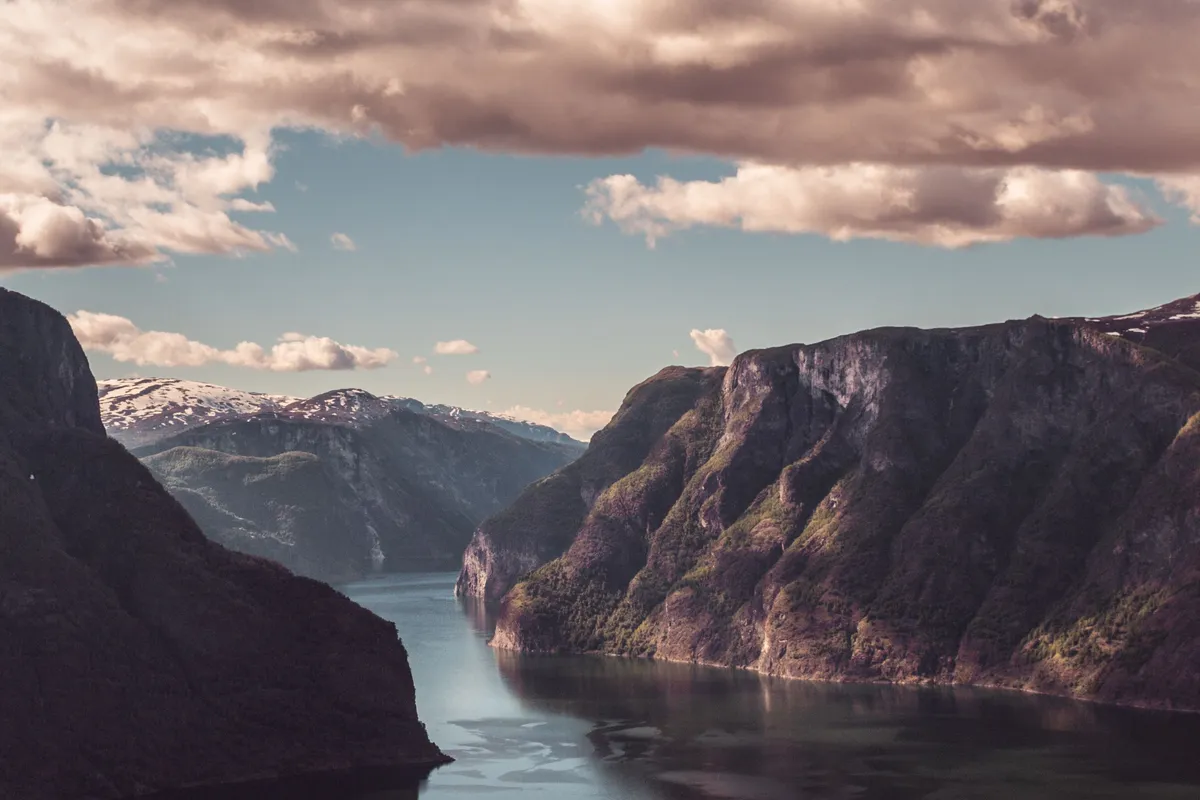
The Nærøyfjord and the Geirangerfjord have been part of the UNESCO World Heritage list since 2005 and are described by the organization itself as classic examples of fjord landscapes, with extremely steep rock walls, waterfalls, and strong marks of glacial action. The Sognefjord, meanwhile, makes the cut because it’s massive and works as a connection hub for villages and scenic experiences in western Norway.
Nærøyfjord
If your goal is to experience the classic Norway fjord postcard, start here. The stretch between Flåm and Gudvangen is one of the most practical for combining a boat ride with the scenic Flåm Railway and easy transfers from Bergen or Oslo.
Geirangerfjord
This one tends to be the favorite for travelers who want dramatic mountains, viewpoints, and a scenic drive. The area around Geiranger gets even better when you add viewpoints like Ørnesvingen and Flydalsjuvet and tack the Geiranger-Trollstigen route onto your journey.
Sognefjord
Norway’s longest fjord works more like a travel region than a single stop. From here, you can reach super-scenic branches, small villages, and connections to Flåm, Aurland, and other practical bases.
When to visit Norway’s fjords
The easiest window for a first trip runs from late spring to early fall. That’s when boats are running more frequently, scenic roads are usually open, and the long daylight hours help you make the most of viewpoints, short hikes, and unhurried travel days.
In peak summer, you’ll find the simplest logistics but also more crowds. In late spring, waterfalls tend to be at their most powerful thanks to the snowmelt. In early fall, the light is gorgeous and the trip feels calmer. In the cold months, the landscape is still spectacular, but the trip demands more flexibility: Visit Norway recommends extra preparation for driving between October and April, and several mountain roads may have restrictions or close temporarily.
How to get there and where to set up base
For most travelers, the fjords don’t really start in Oslo: they start when you reach the west of the country. Visit Norway itself treats Bergen as a natural starting point for many itineraries, and that makes sense because the city works well as a gateway for boats, trains, ferries, and organized day trips.
Bergen
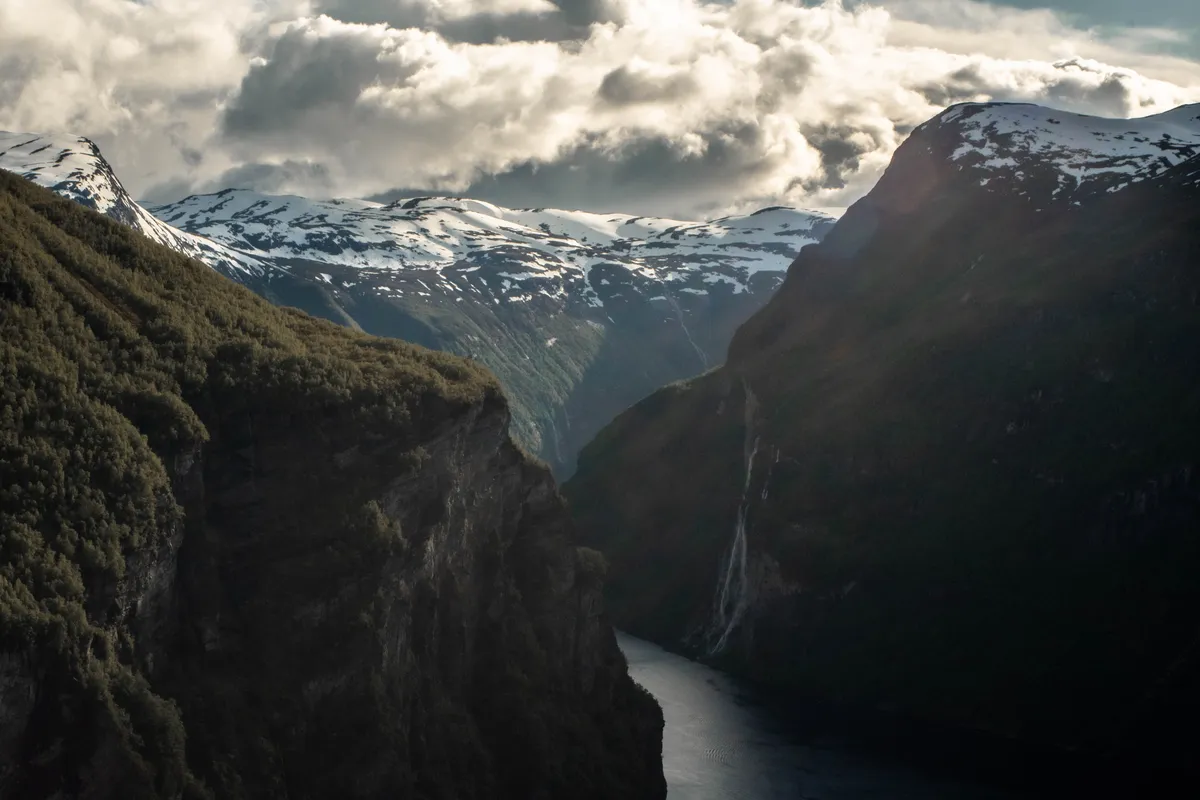
Bergen is the best base for a first trip. You can get there by train or plane, sleep well in the city, and take day trips to Mostraumen, Flåm, and the Nærøyfjord. If you’re unsure where to start, start here.
Flåm
This works best for travelers who want to wake up right in the middle of the scenery and cut down on day-trip travel time. The village is small, touristy, and super functional for fitting in a fjord cruise, the Flåmsbana railway, and short trips to Aurland and Gudvangen.
Geiranger, Loen, or Stryn
These bases make more sense for a road trip or for travelers who want to extend their journey into the northwest of the country. Geiranger is more iconic; Loen and Stryn are great for combining fjord, cable car, lake, and panoramic road.
Norway fjords itinerary
If you have limited days, the secret is not to spread your bases too thin. An efficient Norway fjords itinerary can look like this:
In 3 days
Sleep in Bergen on arrival, spend one day focused on Flåm and the Nærøyfjord, and save the third day for a short boat trip, viewpoints, or more time in Bergen itself. That’s the minimum I’d consider to really feel the region without turning everything into a rush.
In 5 days
Spend 2 nights in Bergen, 1 or 2 nights in Flåm, and finish with 1 or 2 nights in Geiranger, Loen, or Stryn if you have a car. This is where the trip gains depth because you stop seeing just one fjord and start noticing how western Norway changes in scale along the route.
In 7 days or more
Now it’s worth including the Geiranger-Trollstigen stretch, detouring to roadside shops and cafes, fitting in a short hike, and sleeping in smaller villages. If you love scenic mountains, the logic gets close to an itinerary like the Dolomites in Italy, just with water, ferries, and even more compact villages.
If you want a straightforward solution, this Norwegian fjords tour with the Flåm Railway and Nærøyfjord boat trip is a great way to condense the experience into a single day from Bergen, especially on a first visit.
What to do beyond the cruise
Seeing the fjords from the water is only part of the trip. What really changes the experience is switching up your perspectives.
Take a short cruise or scenic ferry
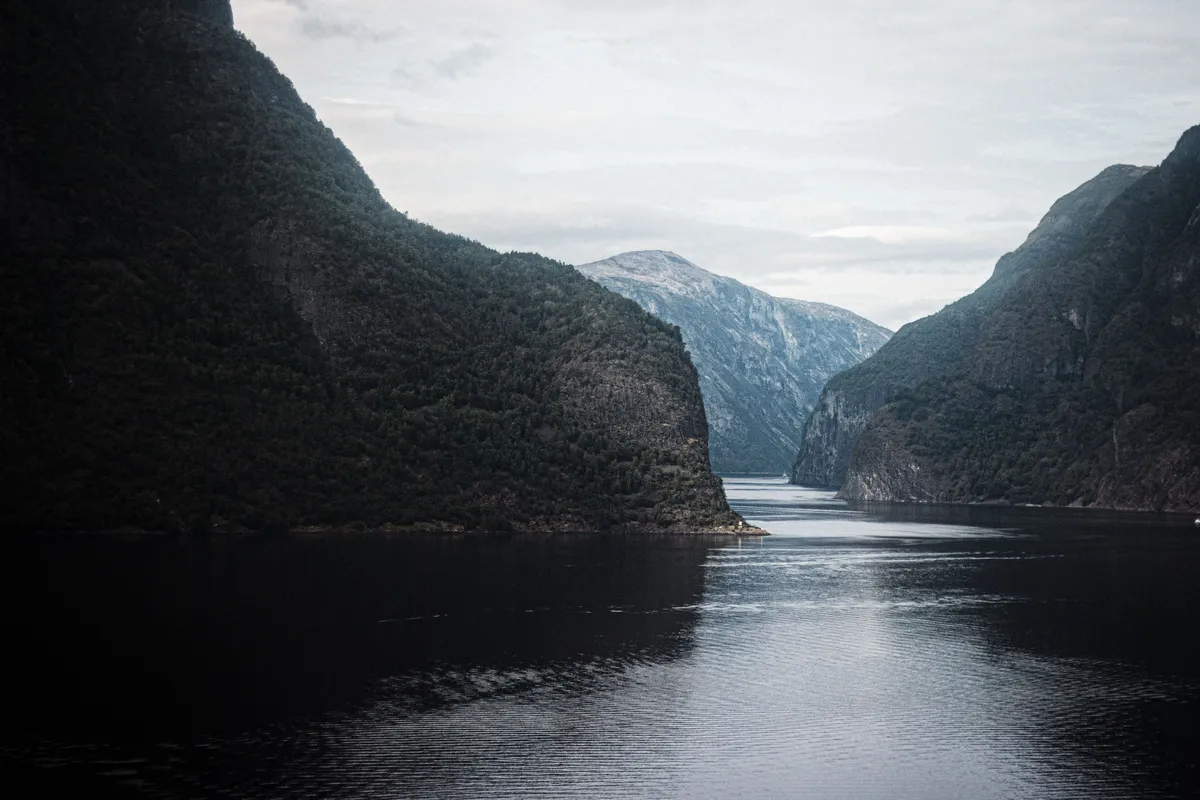
This is the most intuitive way to grasp the scale of the landscape. In some stretches, the mountains seem to rise straight out of the water, and it’s from the boat that you truly appreciate the size of the cliffs and the sheer number of waterfalls surrounding you.
Hike up to a viewpoint
In the fjords, seeing things from above changes everything. Viewpoints transform what looks narrow at water level into an enormous geography, full of curves, arms of the sea, and vertical slopes. In Geiranger, viewpoints like Ørnesvingen and Flydalsjuvet go a long way toward justifying the trip.
Fit in a scenic drive
The Geiranger-Trollstigen route is one of the most scenic in the country, with an official route of 104 km, a ferry along the way, and plenty of stops. The Scenic Routes website itself reminds you that this stretch often operates seasonally, so it’s worth checking road conditions close to your trip, especially outside summer.
Combine train and boat
The Flåm Railway is promoted by Visit Norway as one of the most spectacular train journeys in the world, and it works especially well when it’s part of a bigger day, linked with a boat and fjord cruise. This format keeps the excursion from becoming just a pretty ride from A to B.
Can you explore without a car?
Yes, and it’s much better than most people imagine. If your priorities are Nærøyfjord, Flåm, and Bergen, you can put together a well-rounded trip without renting a car. Trains, ferries, cruises, and organized tours cover the essentials.
A car makes more of a difference when you want to connect smaller bases, reach viewpoints at your own pace, and include Geiranger, Loen, Stryn, and scenic roads with more freedom. In those cases, it’s not required, but it definitely widens your range of experiences.
Where to stay in the fjords
In general, think of it this way:
Bergen for convenience
Choose Bergen if you prefer an urban center with a wide range of hotels, restaurants, and easy transport. It’s the friendliest option for a first trip or for those going without a car.
Flåm to live close to the scenery
Flåm works well if you want to wake up near the fjord and catch an early boat without a long round trip. It’s more touristy and more limited, but it delivers a strong atmosphere.
Loen, Stryn, or Geiranger for a road-trip itinerary
These bases are best for those who want to turn the trip into a road trip and sleep between one viewpoint and the next. Geiranger is more iconic; Loen and Stryn offer a great mix of fjord, mountain, and practical travel in the northwest.
If you want to simplify logistics from Bergen, the ferry between Bergen and Flåm can be a great connecting piece when the idea is to trade urban days for a smaller base in the heart of the fjords.
Practical tips for better planning
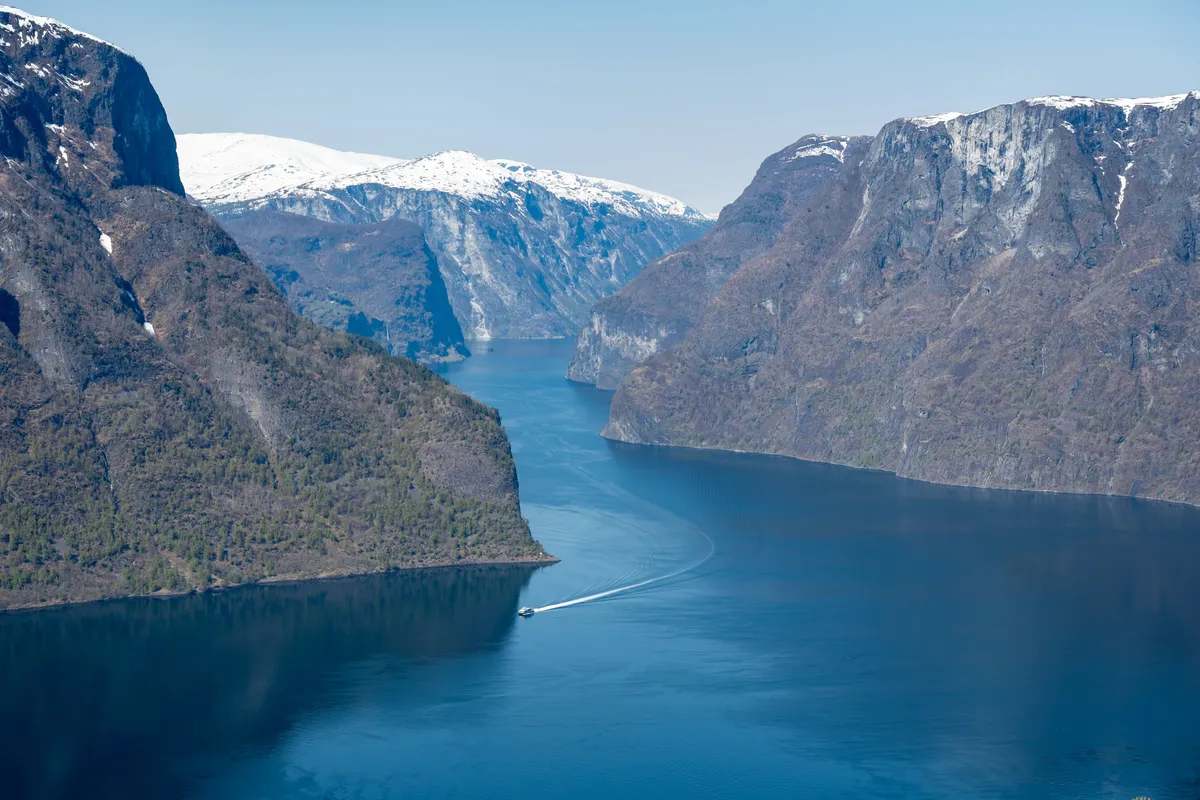
Avoid turning the fjords into a checklist. Instead of chasing famous names, first decide the style of your trip: a car-free round trip, a train + boat itinerary, or a scenic road trip.
It’s also worth checking the official Visit Norway pages, the Scenic Routes, and local operators in advance if you plan to drive, take specific ferries, or travel outside summer. In the fjords, the landscape stays beautiful when the weather changes, but the logistics change with it.
Finally, respect travel time. On the map, everything looks close; in practice, the routes include ferries, narrow roads, climbs, viewpoint stops, and plenty of scenery that makes you want to stop again. Western Norway rewards those who leave room for that.
Frequently asked questions about Norway’s fjords
Which Norwegian fjords should you visit on a first trip?
For a first-timer, Nærøyfjord, Geirangerfjord, and the Sognefjord region usually make the best combination. They balance iconic scenery, feasible logistics, and a variety of experiences.
How many days are ideal for exploring Norway’s fjords?
With 3 days, you get a taste. With 5 days, the trip feels much more complete. With 7 days or more, you can include scenic drives, smaller bases, and more time between boat, train, and viewpoints.
What’s the best time to visit Norway’s fjords?
For most travelers, late spring, summer, and early fall are the easiest windows. Outside that period, the landscape is still beautiful, but seasonal roads and operations require more careful checking.
Can you do Norway’s fjords without a car?
Yes, especially if your focus is Bergen, Flåm, and Nærøyfjord. A car makes more of a difference when you want to explore Geiranger, Loen, Stryn, and scenic roads at your own pace.
Bergen or Flåm: which base should you choose?
Bergen wins on convenience and variety. Flåm wins on immersion and the ease of waking up right by the fjord. Many people get the most out of their trip by combining the two.
Conclusion
If the goal is to plan your first trip through western Norway without wasting energy, think less about covering everything and more about choosing your bases well. Norway’s fjords work best when you embrace the rhythm of the landscape: boat when the water calls, train when the valley opens up, and scenic drives only when you have time to stop. To keep planning other scenic trips across Europe, follow Voyage Voyage.