 Marcelo Oliveira
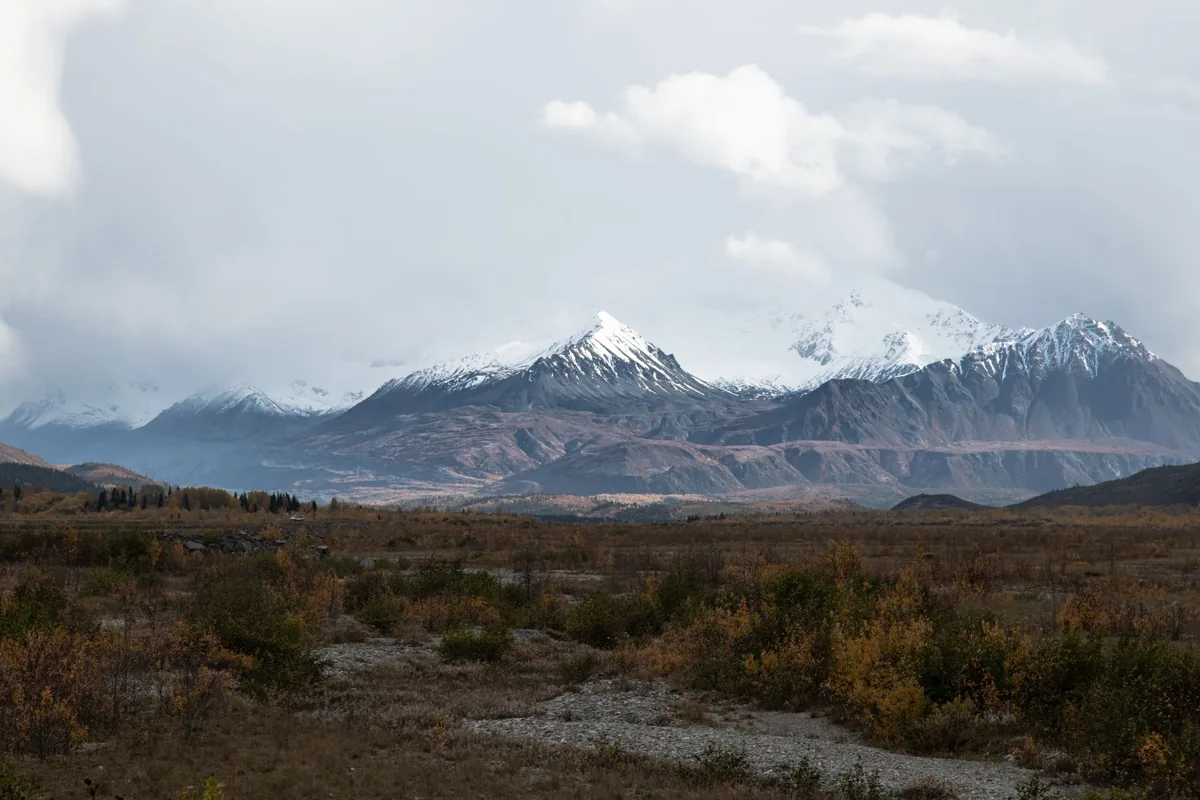
An ideal Alaska cruise for a first trip is 7 nights through the Inside Passage, with ports like Juneau, Skagway and Ketchikan and at least one glacier day. Glacier Bay requires authorization and not every route includes it; the best time runs from May to September, with July and August at peak season.
Updated August 20, 2026. For a first trip, prioritize a 7-night Inside Passage itinerary with at least one big glacier day and stops in Juneau, Ketchikan and Skagway. Glacier Bay requires authorization and doesn’t appear on every route; check the day-by-day itinerary before comparing price alone.
| Ideal length | 7 nights (first trip); 10-14 days with a land extension |
|---|---|
| Best time | May to September; July and August are peak season |
| Departure ports | Seattle, Vancouver or Anchorage (Whittier/Seward) |
| Ports of call | Juneau, Skagway, Ketchikan and Sitka |
| Glacier Bay | Limited access; confirm the name on the ship’s itinerary |
| Price | check the official website |
How to choose an Alaska cruise
Start with four decisions: departure port, round-trip or one-way route, glacier included and time available. Seattle is convenient for flights and round-trip routes; Vancouver offers classic Inside Passage sailing; Anchorage is served by the ports of Whittier or Seward and makes it easier to combine a ship with Denali.
| Format | Advantage | Watch out |
|---|---|---|
| Round-trip | Simple flights and 7 nights | Less time in the interior |
| One-way | Combines with Denali and Anchorage | More complex flights and transfers |
| Small ship | Coves and nature | Higher price and less entertainment |
| Large ship | Amenities and variety | More passengers in port |
Use our Alaska guide to decide between a cruise, a road trip or a combined trip.
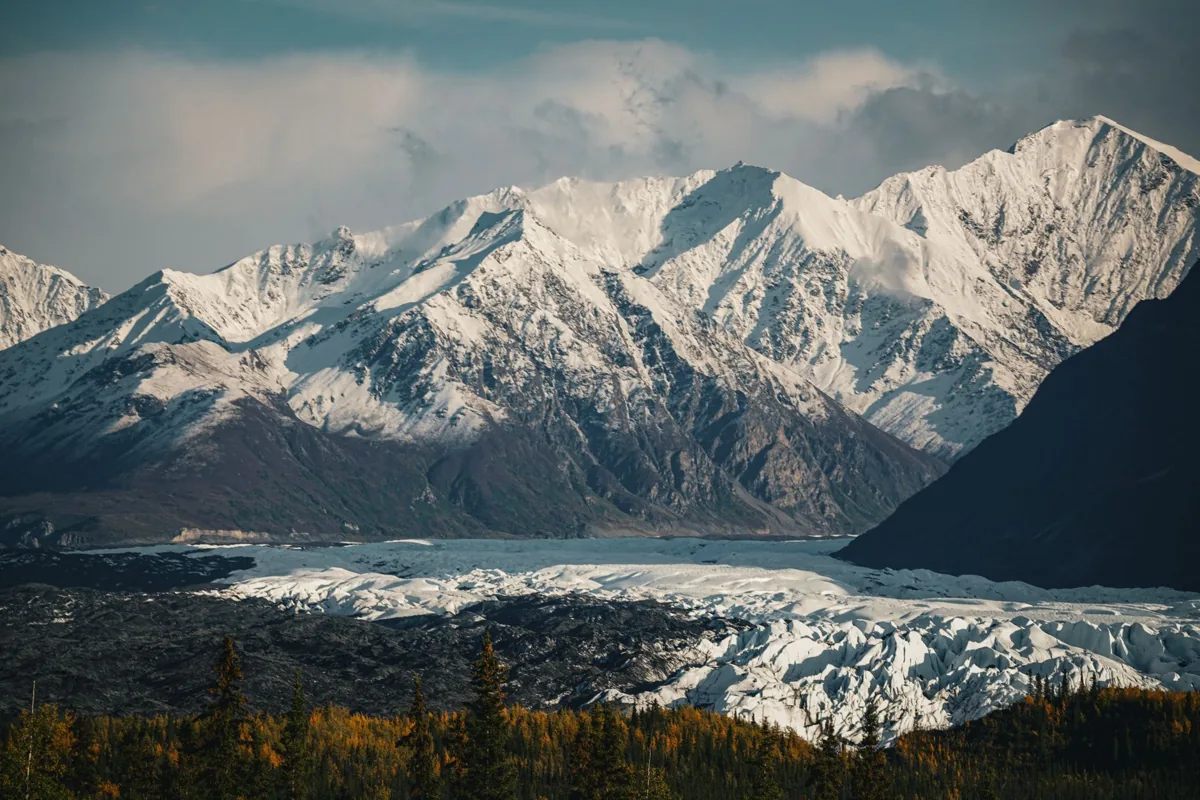
Glacier Bay, Hubbard Glacier or Tracy Arm?
Glacier Bay is a national park and World Heritage Site, with long scenic sailing and park ranger interpretation on many authorized ships. Vessel entry is limited, so the name must appear explicitly on the itinerary.
Hubbard Glacier impresses with its scale and ice face; the approach depends on ice and sea conditions. Tracy Arm and Endicott Arm offer narrow fjords, waterfalls and glaciers, but the final distance also varies with conditions.
Don’t treat “glacier day” as an identical product. Check the duration, the area covered and whether there will be a landing or just ship viewing. See the official selection of Alaska cruise routes.
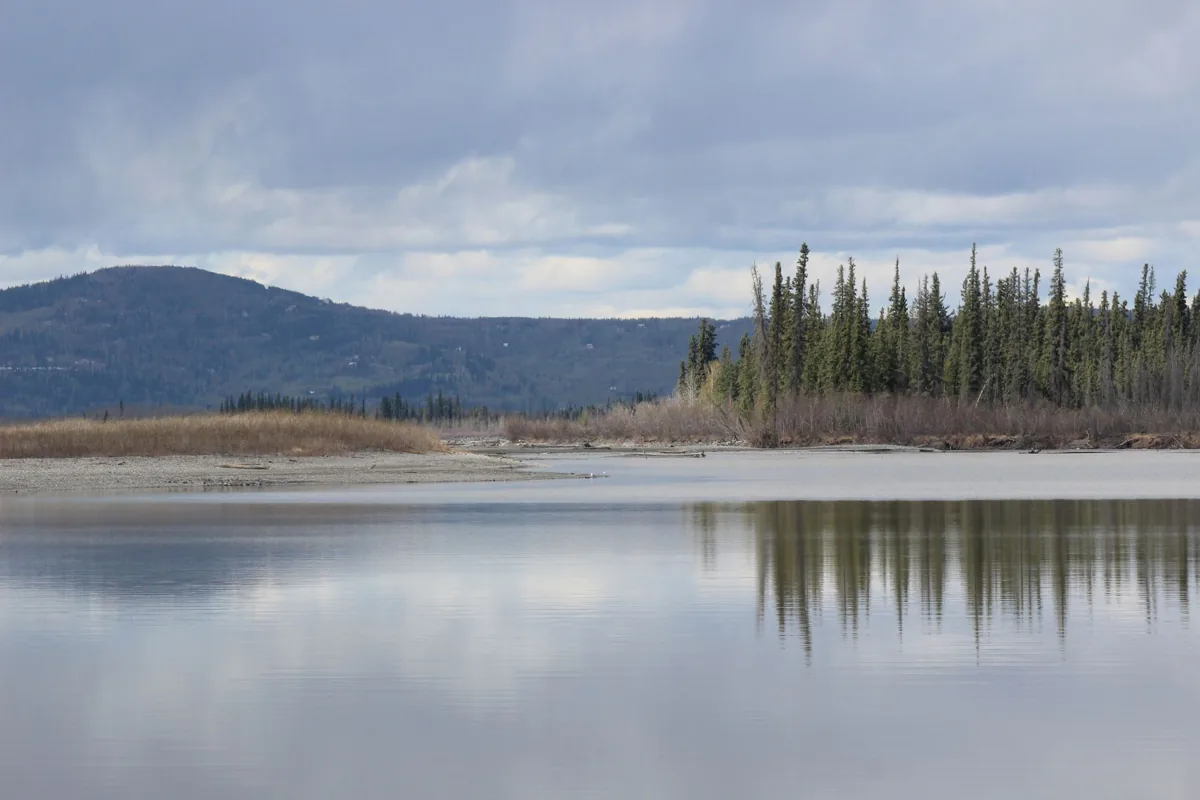
Best time: May to September
The main season runs from May to September, with a few trips in April and October. July and August tend to offer milder days and plenty of options, but also higher demand. May and June combine long days, relatively lighter crowds and good whale watching; September brings fall colors, darker nights and a higher risk of rain or service changes.
- May: still-snowy landscapes and sometimes better prices.
- June: maximum daylight and a good wildlife window.
- July and August: peak season and full excursion schedules.
- September: end-of-season atmosphere and more unstable weather.
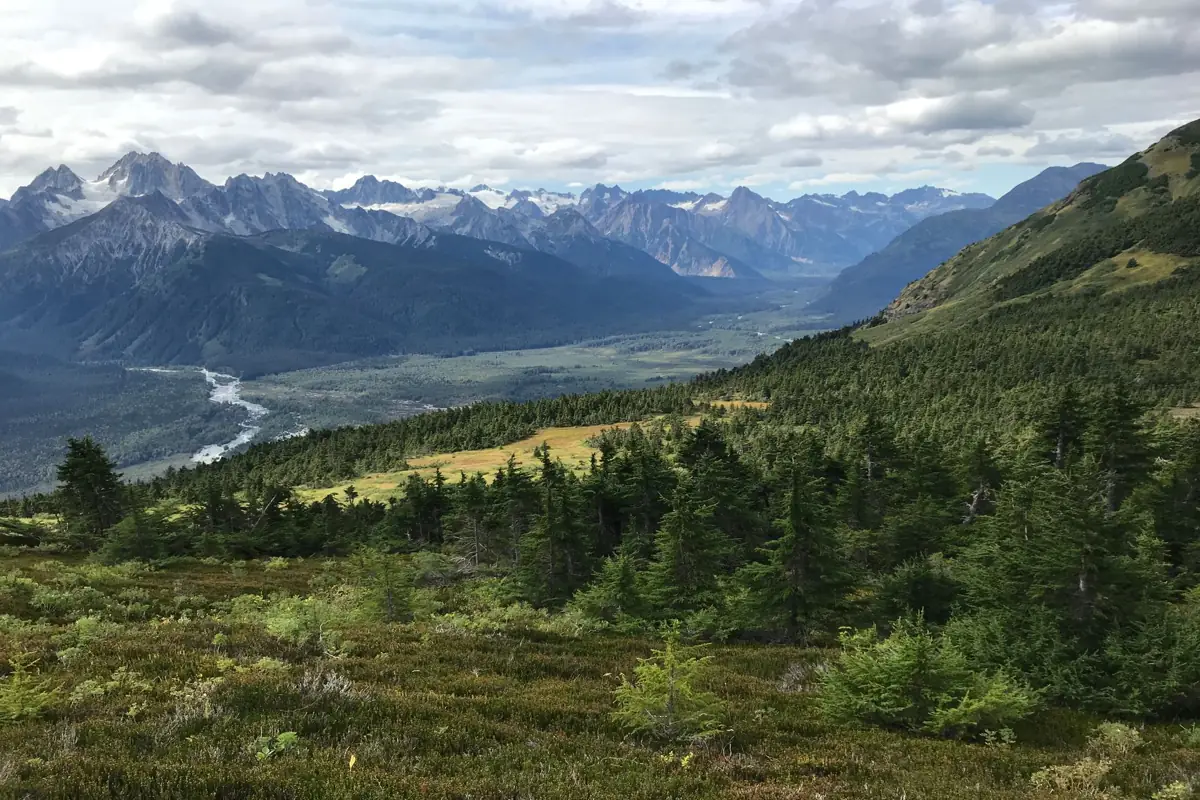
Ports and which excursions are worth booking
Juneau is the hub for Mendenhall Glacier, whale watching and flightseeing. Skagway is known for the White Pass & Yukon Route and its gold rush history. Ketchikan combines Native culture, forest and channels. Sitka offers history, marine life and a landscape different from the more standardized routes.
Book early the experience that justified the trip — scenic railway, glacier flight, ice walk or wildlife boat — and leave simple city tours for a local decision. Confirm the weather cancellation policy. The ship waits for excursions it sells, but not necessarily for late independent operators.
Cabin, luggage and real cost
A balcony adds comfort on scenic days, but doesn’t replace the open decks: the best side can change during sailing. An interior cabin frees up budget for excursions, which often weigh more than the difference in the base fare.
Compare the total with port fees, gratuities, drinks, internet, specialty restaurants, insurance, flights, a hotel before boarding and transfers. Pack layers: a breathable base layer, fleece or wool, a waterproof jacket, water-resistant footwear, a hat, thin gloves and binoculars. Even in summer, the wind on deck changes how cold it feels.
Cruise or road trip — and when to combine them
The cruise accesses the coastal southeast, where many communities aren’t connected by road. A road trip reveals Anchorage, Denali, Fairbanks, Kenai and the interior landscapes. With 10 to 14 days, a one-way trip plus four to seven nights on land creates the most complete combination.
Don’t try to squeeze Denali into a short connection: distances are long, weather interferes and the park deserves at least two nights. For seven total days, choose one well-done experience instead of adding fragile transfers.
🚢 Planning a cruise? Check out our 2026/2027 Cruise Guide, with ships, ports, prices and itineraries around the world.
Frequently asked questions
What’s the ideal length for an Alaska cruise?
Seven nights is the most balanced format for a first trip. With 10 to 14 total days, it’s worth adding a land extension.
Is Glacier Bay a must?
It’s not the only glacier landscape, but it’s a distinctive experience with limited access. If it’s a priority, confirm the name on the itinerary.
What’s the best month?
June tends to balance daylight, wildlife and weather; July and August have maximum options; May and September can cost less, with more weather variation.
Is a balcony cabin worth paying for?
It’s worth it for privacy and frequent viewing, but travelers focused on excursions can save with an interior cabin and use the open decks.
How to compare ship, itinerary and cabin
First choose the experience you can’t miss: Glacier Bay, Inside Passage, tidewater glacier, wildlife or a land extension. Then compare departure port, number of nights, stops and ship type. A comfortable ship doesn’t fix a route that spends little time in priority ports.
Glacier Bay and permits
Glacier Bay is a national park with limited vessel entry. Not every ship receives authorization to sail in the park, and appearing in promotional material doesn’t replace the confirmed itinerary. Check the National Park Service and confirm whether the ship has Glacier Bay on a full day of scenic sailing.
Hubbard Glacier, Tracy Arm and Endicott Arm are valid alternatives, but depend on ice, tide and conditions. Compare the expected time in the area and whether there will be interpretation, a landing or just deck viewing. The article general Alaska guide helps you decide between cruise and road.
Ports and time on land
Juneau favors Mendenhall, whales and flightseeing; Skagway combines history and the White Pass; Ketchikan concentrates forest and culture; Sitka offers a different kind of stop. Book early only the excursion that justifies the stop and leave city walks flexible. The ship may not wait for a late independent operator.
Check the port on the itinerary and the transfer to the attraction. An excursion advertised as “Juneau” can consume a significant part of the time in transport. Use the Port of Seattle and Vancouver portals to confirm terminal and arrival.
Cabin and clothing
A balcony offers privacy and wind protection, but open decks remain important for watching the landscape on both sides. An interior cabin can free up budget for excursions. Compare location, noise, elevator access and occupancy policy, not just the category.
Pack layers: a breathable base layer, fleece or wool, a waterproof layer, footwear with grip, a hat and thin gloves. The perceived temperature on deck changes quickly. Small binoculars and a waterproof backpack are more useful than excess heavy clothing.
Season and extension
May and June offer long days and still-snowy landscapes; July and August concentrate options and demand; September brings end of season, colors and more instability. Don’t treat “best month” as a single answer: wildlife, light, price and tolerance for rain weigh differently.
A 10 to 14-day trip can combine a one-way cruise with Anchorage and Denali. With seven days, choose the ship and the coast; don’t try to include a distant park between connection and boarding. Also see the Vancouver itinerary if you’re boarding in Canada and the northern lights guide so you don’t confuse seasons.
What to confirm before you pay
Open the day-by-day itinerary, cancellation policies, Glacier Bay permits, terminal, luggage, excursions and insurance. Add up the previous hotel, flights, transfer, gratuities, drinks, internet and specialty restaurants without fixing prices that change by date. Leave margin to sleep near the port when a flight connection is essential.
Do a check 72 hours before: forecast, boarding time, documents, excursion and clothing. Alaska rewards flexibility; one glacier can be replaced by another scenic sailing without ruining the trip.
Final verdict
For a first trip, seven nights through the Inside Passage with Glacier Bay or another major glacier offers balance. Choose a large ship for amenities and variety; a small one for coves and a more intimate scale. An interior cabin can be sensible when excursions are the priority.
Confirm permits, ports and season on official sources before buying. The best cruise isn’t the cheapest, but the one that delivers the landscape, the time on land and the extension you really want.