Colonia del Sacramento may look small on the map, but a day trip gets hectic when arrival, lunch, and the return are planned without factoring in ferry schedules. The trick is to cross early, walk the Barrio Histórico first, and save the rambla for the golden hour.
Quick answer: one day covers the Portón de Campo, Calle de los Suspiros, Plaza Mayor, the lighthouse, and the waterfront when you arrive in the morning. Set aside at least six free hours between docking and departure. Spending one night is worth it to see the center empty and watch the sunset without checking your watch.
Getting to Colonia del Sacramento
From Buenos Aires, the ferry crosses the Río de la Plata and arrives near the center. Compare duration, fare, baggage allowance, and check-in time. The crossing is international: bring an accepted ID, go through immigration, and don’t treat your ticket time as the moment you can arrive at the terminal. From Montevideo, intercity buses connect the two cities in about two and a half hours, depending on the service.
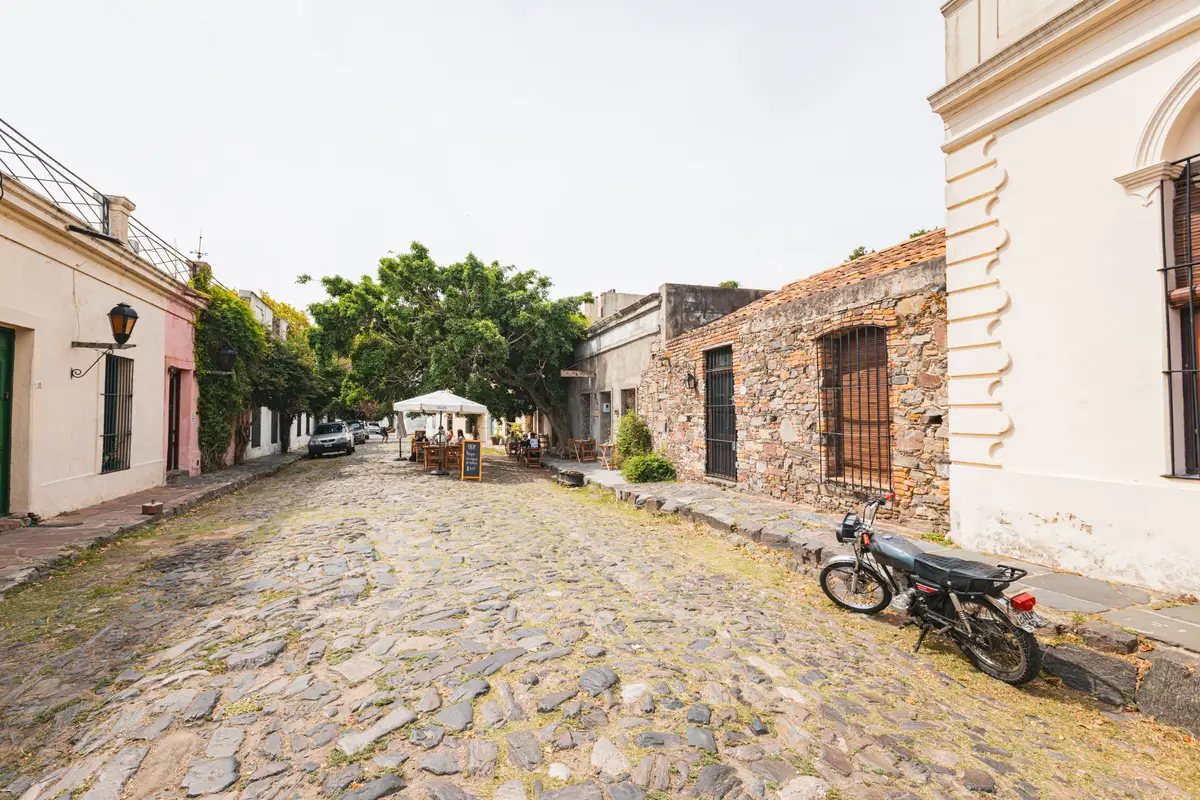
The ferry terminal is a short walk from the Barrio Histórico, but heavy luggage is a hassle on the stones. Use a luggage storage service when available or leave your bags at your accommodation. To pair it with the capital, check out our two-day Montevideo itinerary.
Best time to visit and how long to stay
Spring and fall offer pleasant temperatures for walking. Summer brings heat, bigger crowds, and late sunsets; winter calls for a windbreaker and a backup plan for rain. Colonia works year-round, but museums and the lighthouse may have reduced hours. Check the schedule the week of your trip.
One day is enough for a first visit. One night changes the experience: after the tour groups leave, the streets get quieter and the low light highlights the facades. Two days allow for beaches, Plaza de Toros, and nearby wineries. If your ferry arrives after lunch, stay overnight.
Colonia del Sacramento in one relaxed day
Morning: Portón de Campo and Calle de los Suspiros
Enter through the Portón de Campo and check out the city wall before heading to Calle de los Suspiros. The irregular layout and the mix of Portuguese and Spanish building techniques explain why the Barrio Histórico was named a UNESCO World Heritage Site in 1995. Go early to walk and photograph before the crowds arrive.
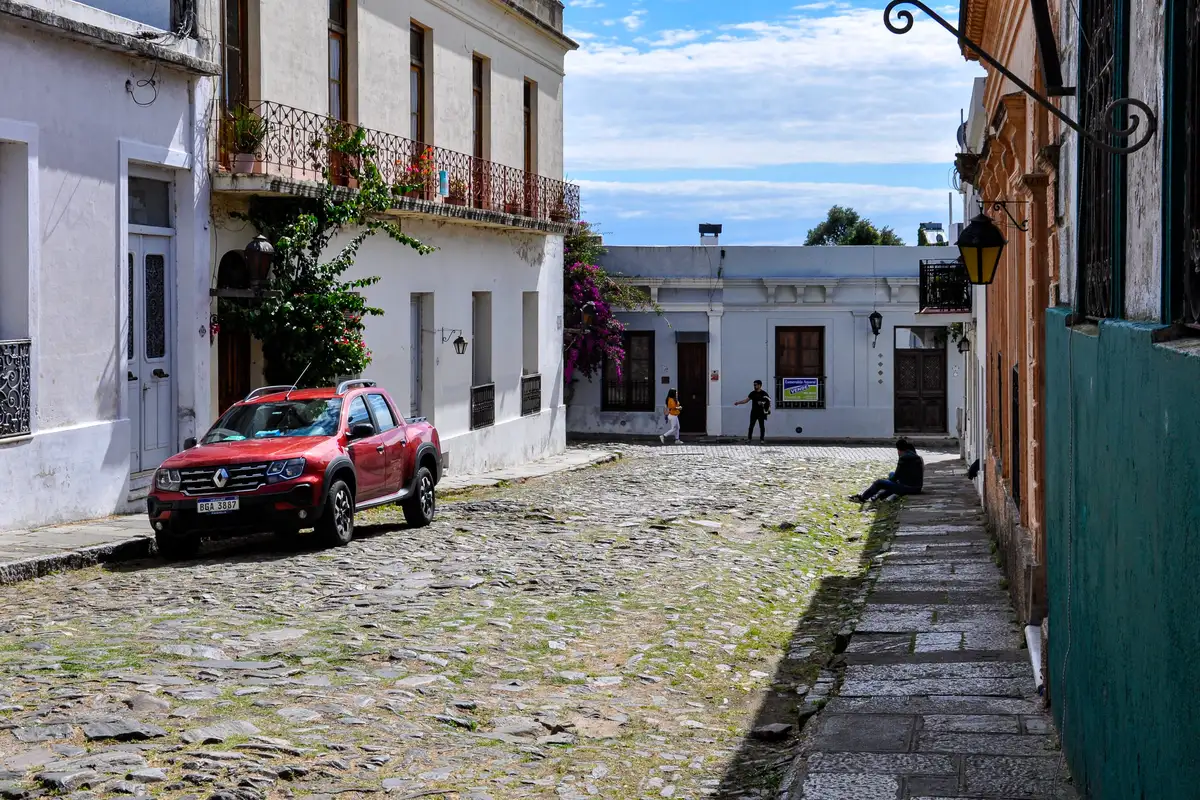
A free walking tour of Colonia del Sacramento helps you understand the walls, smuggling, and imperial rivalries. The tour is in Spanish and depends on availability; confirm the meeting point.
Midday: Plaza Mayor, museums, and the lighthouse
Plaza Mayor is home to small museums and ruins. Pick one or two instead of trying to see them all. The lighthouse offers views over the rooftops and the Río de la Plata, but it may close due to wind, maintenance, or capacity. Wear sturdy shoes on the steps and check accessibility. The Basilica of the Holy Sacrament completes the historic core.
Afternoon: the rambla and sunset
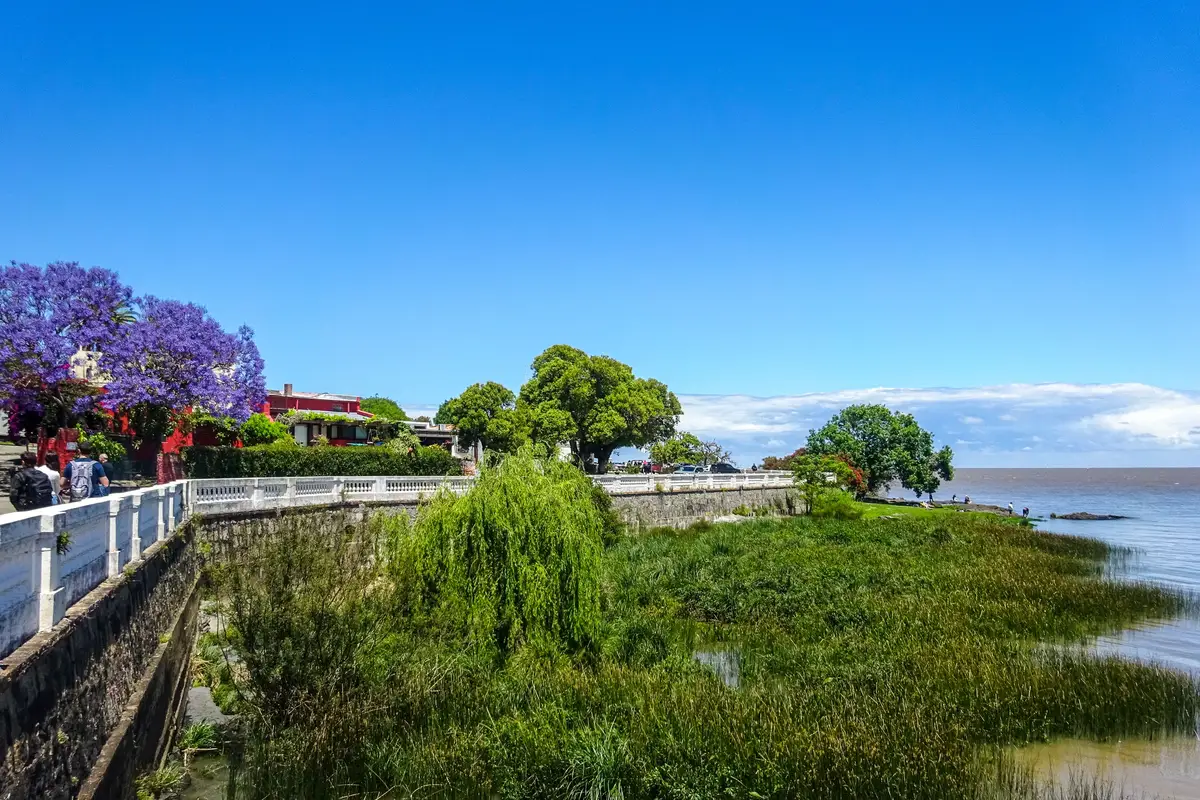
After lunch, head toward the waterfront and follow the rambla. The Río de la Plata looks like the sea because of its width, but its color shifts with wind and sediment. Pick a quiet stretch for the late afternoon and give yourself plenty of time to get back to the terminal. Don’t let the sunset put your ferry at risk.
What to combine with Colonia
Montevideo is the easiest next stop within Uruguay. Punta del Este requires more travel and deserves its own nights. Buenos Aires works as the start or end of the crossing; treat immigration and the ferry as a real part of the itinerary, not as instant transport. If you’re driving, you can explore Carmelo and wineries, always respecting alcohol limits.
Where to eat without losing half the day
The Barrio Histórico has charming restaurants, but prices are higher and lunch lines are long. Streets outside the tourist core offer simpler menus. Try chivito, grilled meats, pasta, and dulce de leche treats. If time is tight, eat early or make a reservation. Check the currency, payment options, and service charge before you order.
Where to stay to see the city empty
Staying in or near the Barrio Histórico lets you walk back after dinner. Near the terminal, boarding is easy. More remote areas suit those with a car who want a pool or peace and quiet, but they cut down on spontaneity. Compare access on cobblestone streets if you have mobility issues or large suitcases.
Practical tips for the day trip
Book round-trip tickets with sensible times and arrive at the terminal early. Bring a valid ID and check official entry requirements. The Uruguay Tourism Board’s page rounds up attractions in the department, and UNESCO explains the value of the Barrio Histórico.
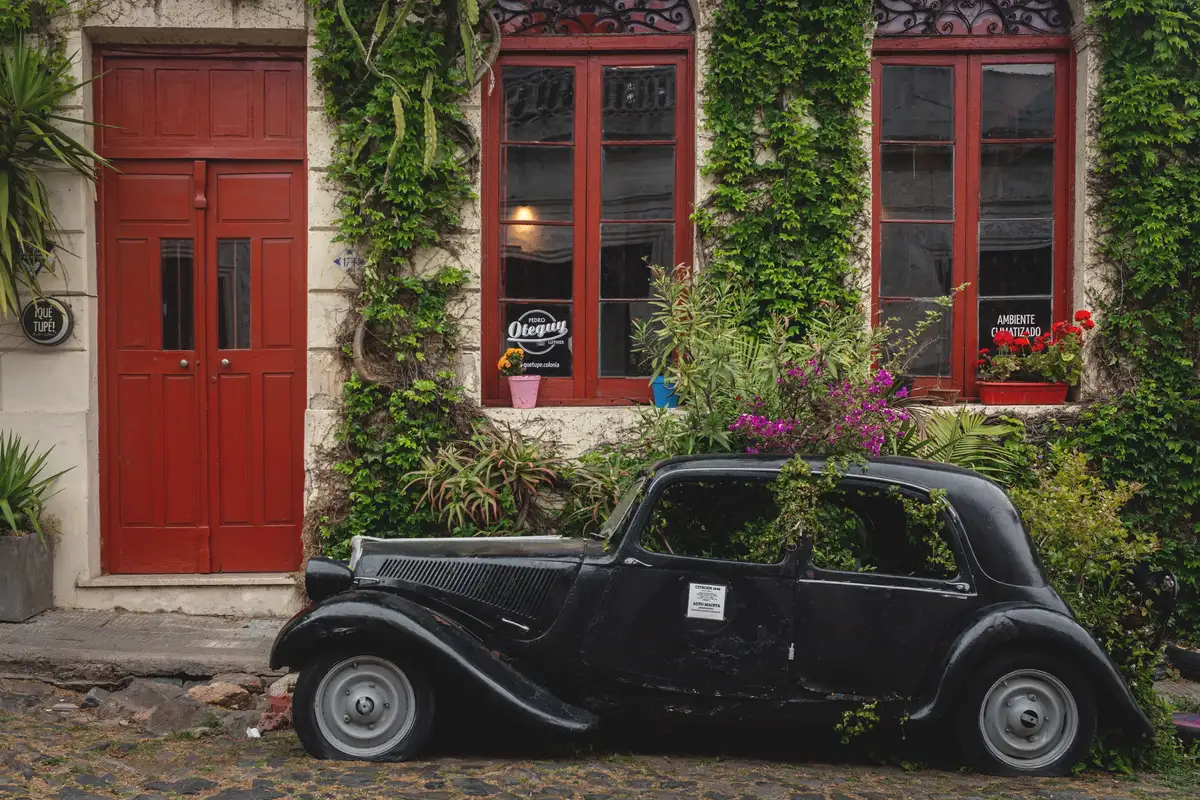
Uneven stones call for sneakers, not flimsy sandals. Download tickets and maps for offline use. The city is compact, but not every historic stretch is fully accessible. If you’re traveling with a stroller or wheelchair, prioritize the rambla and check access points.
Frequently asked questions
Can you see Colonia in one day?
Yes, as long as you arrive in the morning and have about six free hours. One night improves the pace and lets you catch the sunset.
Is it better to come from Buenos Aires or Montevideo?
Buenos Aires has a direct ferry; Montevideo has frequent buses. The best option depends on your route and the price on your travel date.
Do you need a car in Colonia?
Not for the Barrio Histórico and the rambla. A car only helps for outlying beaches, Plaza de Toros, Carmelo, or wineries.
What’s the best time for photos?
Early morning in the streets and late afternoon by the Río de la Plata. Don’t sacrifice your ferry time for the sunset.
Is it worth staying overnight in Colonia del Sacramento?
Yes, to walk after the day-trippers leave, enjoy a relaxed dinner, and take the pressure off transport schedules.
Conclusion
Colonia del Sacramento fits into one day, but it demands a well-planned schedule. Cross early, explore the heritage before lunch, and save the waterfront for the end: Voyage Voyage helps you put together a day trip that keeps the charm without the rush.