 Marcelo Oliveira
Chile in January works well for anyone who picks the right region: Santiago is hot and dry, with highs near 30 °C downtown; Patagonia is in its best season, with 16-hour days of daylight; and the Atacama stays open, but with a risk of afternoon storms on the altiplano. Snow for skiing? Winter only.
January is summer in Chile and also the vacation month for Chileans, Brazilians and Argentinians all at once. That hits your wallet harder in small towns like Puerto Natales and San Pedro de Atacama than in Santiago, which has a huge supply of hotels.
| Santiago | Averages from 14 °C to 26 °C; downtown highs near 30 °C; almost no rain |
|---|---|
| Atacama | Warm days and sub-zero dawns at the geysers; afternoon storms on the altiplano (Dec–Mar) |
| Patagonia | Cool days, strong wind and about 16 hours of daylight |
| Snow | Not in the cities; ski resorts closed in summer |
| Crowds | Heavy in Torres del Paine and San Pedro; Santiago has more supply |
| ID | Valid national ID card or passport |
| Internet | eSIM with coverage in Chile, bought before you fly |
In this article · 8 topics
Chile in January: what’s the weather like in each region?
Chile’s weather in January changes completely from north to south: the center has a hot, dry Mediterranean summer, the northern desert has strong sun by day and cold at dawn, and the far south has a cool summer with wind and rain at any hour. There’s no single packing list for the whole country.
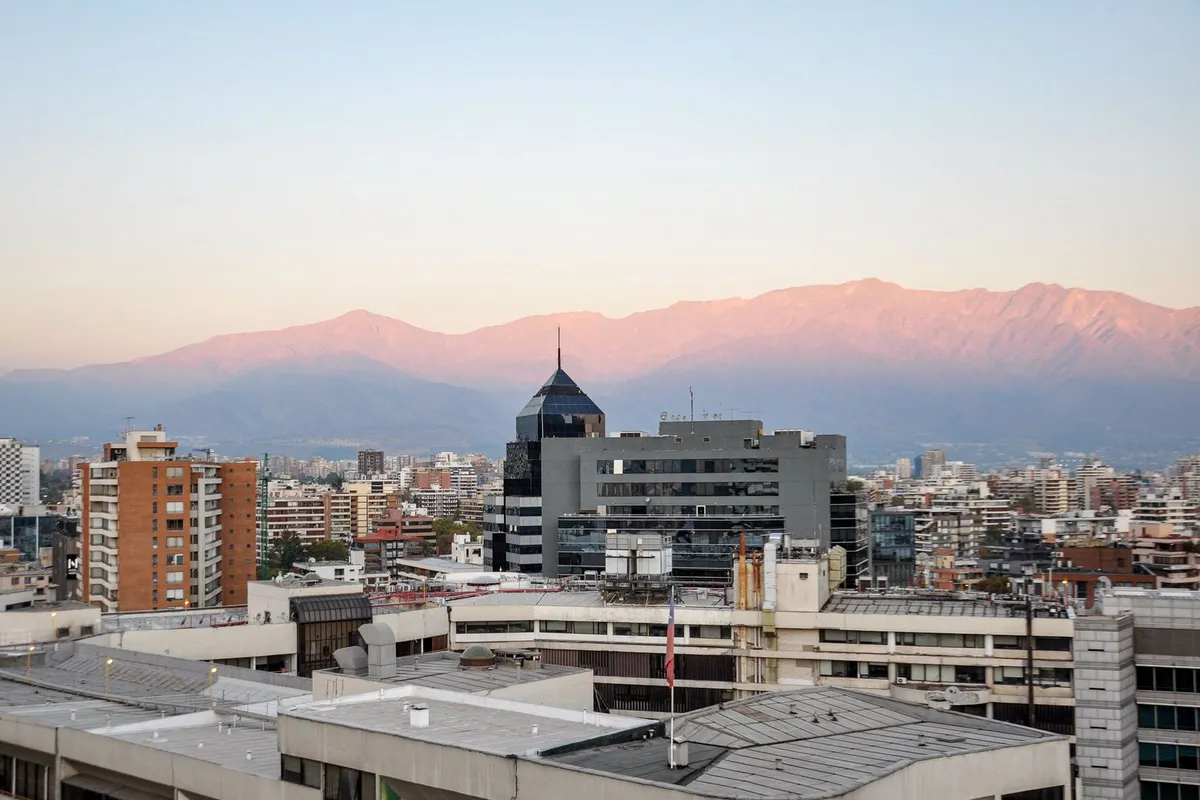
In Santiago, the January climate normals range from a low of 14 °C to a high of 26 °C, according to Climatempo. Downtown, where the asphalt holds the heat, average highs sit near 30 °C, and the record is 39.3 °C, measured at the airport on January 26, 2019, according to Meteored. Rain barely shows up: the Dirección Meteorológica de Chile’s January normal is 0.6 mm at the Quinta Normal station (data compiled by Meteored).
| Region | January weather | Watch out for | Verdict |
|---|---|---|---|
| Santiago and Valparaíso | Hot and dry, mild nights | Intense heat after 2 pm | Worth it, with early tours |
| San Pedro de Atacama | Strong sun, freezing dawns at altitude | Afternoon storms on the altiplano | Worth it, with buffer in the itinerary |
| Torres del Paine and Puerto Natales | Cool, windy, long days | Crowds and sold-out bookings | Best time of the year |
| Ski resorts (Valle Nevado) | Summer with no open runs | No snow to ski on | Not worth it for skiing |
In the north, the gap between day and dawn is what surprises people most: in San Pedro de Atacama the afternoon climbs past 25 °C, while at the Geysers del Tatio, at 4,320 m, the thermometer reads -5 °C to -10 °C before sunrise. In the south, Chilean Patagonia has days from 12 °C to 18 °C, strong wind on the steppe and about 16 hours of daylight, as detailed in the Patagonia in January guide.
Is Santiago in January worth it despite the heat?
Santiago in January is worth it if you plan your day around the clock: museums, markets and Cerro San Cristóbal in the morning, a pool or air conditioning in the early afternoon, and neighborhoods like Lastarria and Bellavista after 6 pm, when the heat eases. The clear sky also makes the Andes views better.
The month has an attraction of its own: the Festival Internacional Teatro a Mil, held every January since 1994, takes over the city for about three weeks with theater, circus and street performances, some of them free in neighborhoods across the Metropolitan Region. Dates for the 2027 edition had not yet been published as of October 2026.
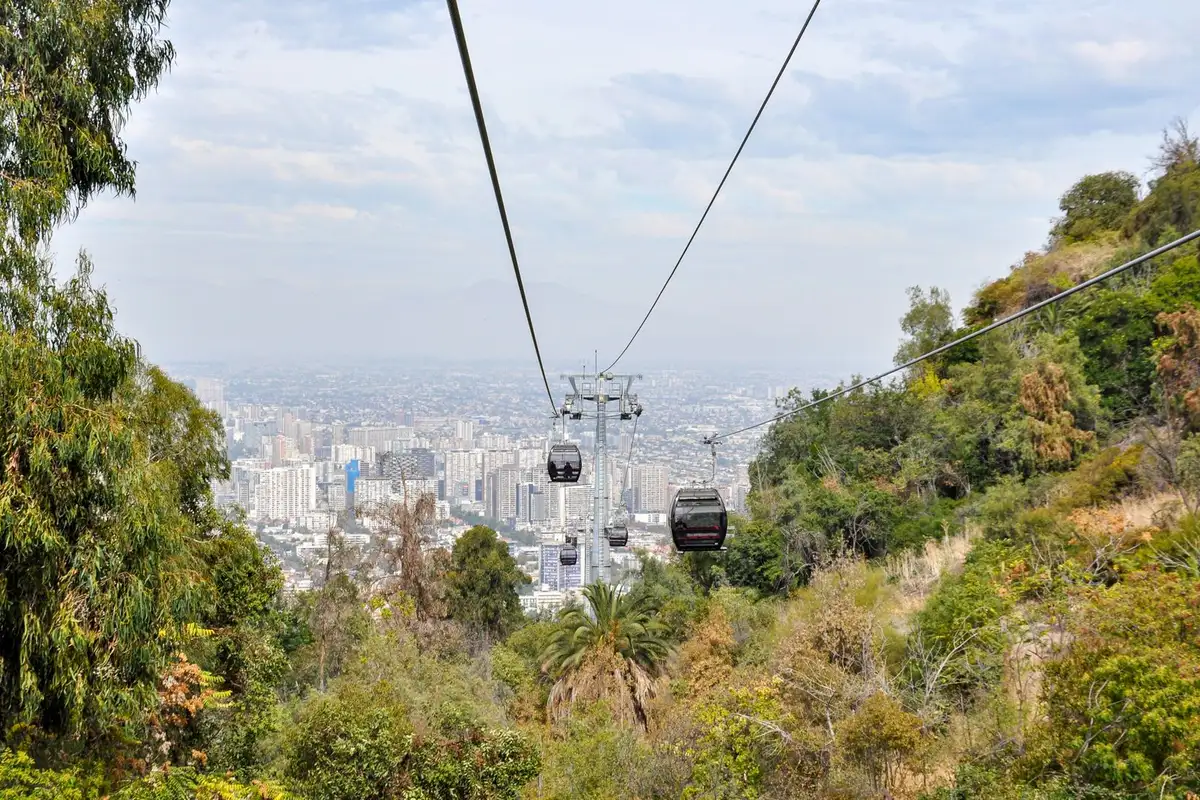
To escape the heat, the most popular summer day trips are the coast and the mountains. Valparaíso and Viña del Mar are about 1h30 away by road and have Pacific breezes; Cajón del Maipo leads into the Andes, with rivers and trails. Central valley wineries fit well in January, before the March harvest. To fit it all in, the 3-day Santiago itinerary splits the city by neighborhood and leaves one day for a trip out.
If you don’t handle heat well, pick a hotel with air conditioning: not every old building downtown has it. The Providencia hotel search on Booking filters by that and shows rooms with free cancellation, handy if you haven’t locked in your dates yet.
 Hotels in SantiagoBooking · ratings and neighbourhoodsSee ›
 Isla Negra and Pomaire Tripdesde €137.01 · CivitatisSee ›
Is Atacama in January worth it with the altiplano rains?
Atacama in January is worth it, but it calls for an itinerary with some slack: between December and March comes the altiplano winter, the season of convective rains in the northern mountains, with electrical storms that build in the afternoon and can cause flooding and flash floods, according to Meteored. Lower-lying San Pedro de Atacama usually sees only clouds and scattered rain.
In practice, high-altitude tours are the most exposed: the altiplano lagoons, Piedras Rojas and the Geysers del Tatio can have roads closed for safety on stormy days. Tours closer to town, like Valle de la Luna and the Salar de Atacama lagoons, are less affected. The local rule is to do altitude in the morning and keep a free day to reschedule. The Atacama in 4 days guide shows the order that respects acclimatization.
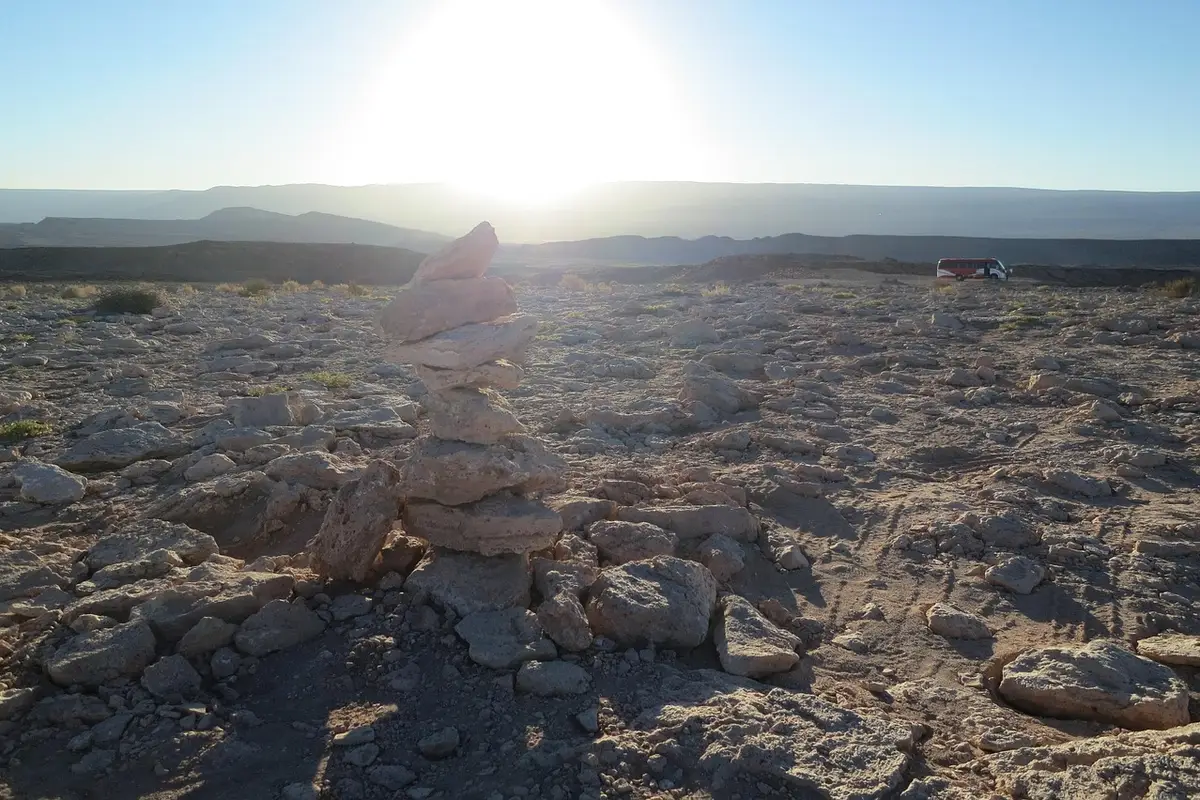
The Geysers del Tatio charge CLP 15,000 for anyone over 9, about R$ 89 (Aug/2026), collected at the gate and almost never included in the tour, per the park’s rate table. Wear cold-weather layers even in January: the difference between arrival, before 7 am, and mid-morning is more than 20 °C. Details in the Geysers del Tatio at sunrise guide.
The rain has an upside: with afternoon clouds, the desert sunset gets more colorful. The downside shows up for anyone wanting to cross into Bolivia, because the Bolivian altiplano is also in its rainy season; the Salar de Uyuni in summer guide explains the mirror effect and the risks of the crossing. To budget day by day, use the how much it costs to travel to Atacama guide.
Hotels in San Pedro de AtacamaBooking · ratings and neighbourhoodsSee ›Calama Airport & San Pedro de Atacama Transferdesde €17.12 · CivitatisSee ›Chilean Patagonia in January: is it the best season?
Yes, January is the best season for Chilean Patagonia: trails, boats and refuges in Torres del Paine are running, and the long days let you hike 8 to 10 hours with room to spare. In summer (October to April), the park is open from 7 am to 9 pm, according to the official CONAF ticket page.
The price of the best season is the crowds. Torres del Paine tickets are sold online only, in advance, on Pases Parques, with single-day or consecutive multi-day entry (up to 10). Check the foreign-visitor rate on the official site when you buy, because the pricing system changed in May 2026. Campgrounds and refuges on the W circuit only accept people with a confirmed booking, and January dates are the first to sell out.
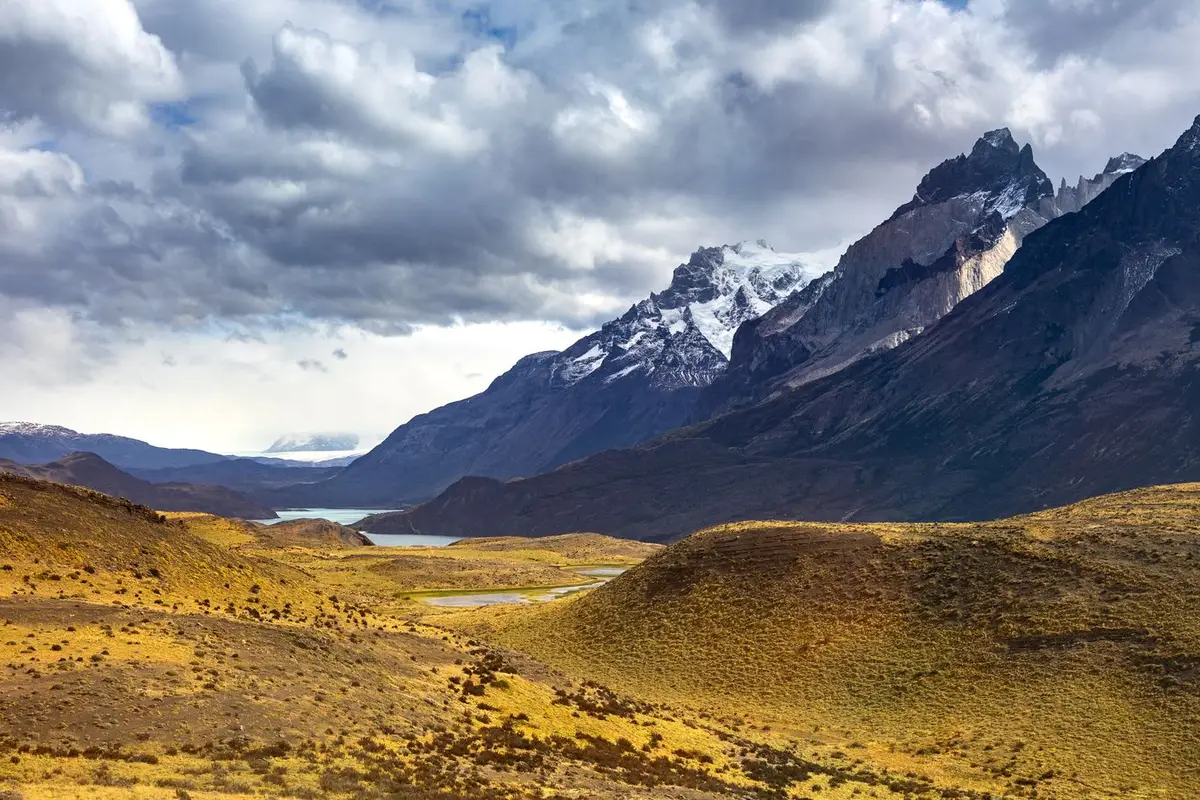
The base is Puerto Natales, about 2 hours from the park. Wind is the factor that changes the day most: strong gusts on the steppe, especially in the afternoon, drop the feels-like temperature even with sun. Bring a windbreaker, a hat and thin gloves. If you’re still deciding which side of the border to visit, the Chilean or Argentine Patagonia comparison shows what each delivers and what it costs.
Hotels in Puerto NatalesBooking · ratings and neighbourhoodsSee ›Balmaceda & Serrano Glaciers Boat Tripdesde €109.61 · CivitatisSee ›Where not to go in Chile in January?
In January, Chile isn’t worth visiting for skiing or to see snow: the ski resorts near Santiago, like Valle Nevado and Farellones, run in winter, and in summer the mountain shows rock and trails. It’s also not worth packing a tight itinerary on the altiplano or showing up at Torres del Paine without a booking.
| Plan | Why it’s not worth it in January | What to do instead |
|---|---|---|
| Skiing at Valle Nevado | Runs closed in summer | Scenic drive or mountain hike |
| Altiplano in the afternoon | Storms after midday | High-altitude tours early in the morning |
| Torres del Paine without a booking | Refuges and campgrounds sell out | Book months ahead or go as a day trip only |
| Santiago on foot at midday | Highs near 30 °C downtown | Indoor museums and markets at that hour |
If you’re dreaming of snow, you have two options: go between June and September, when the Valle Nevado guide makes sense, or accept the summer mountain, which offers a scenic tour through Farellones. And if you want a warm beach, the cold water of the Chilean Pacific will frustrate you; in that case, compare with the destinations in where to travel in January, which lists beaches and capitals with the month’s prices.
How much do tours cost in Chile in January?
The most popular tours in Chile in January cost from R$ 218 to R$ 520 per person on Civitatis (Sep/2026): Cajón del Maipo goes for R$ 218.03, Valle de la Luna for R$ 312 and the Torres del Paine tour for R$ 459.88. Park entrance fees, like the one at the Geysers del Tatio, are usually paid separately.
| Tour | Base | Price per person | Best time in January |
|---|---|---|---|
| Cajón del Maipo in a small group | Santiago | R$ 218.03 (Sep/2026) | Morning departure |
| Valparaíso and Viña del Mar | Santiago | R$ 220 (Sep/2026) | Full day, sea breeze |
| Concha y Toro Winery | Santiago | R$ 520 (Sep/2026) | Morning or late afternoon |
| Valle de la Luna | San Pedro de Atacama | R$ 312 (Sep/2026) | Late afternoon, sunset |
| Geysers del Tatio | San Pedro de Atacama | R$ 287.42 + entrance fee (Sep/2026) | Before dawn |
| Torres del Paine National Park | Puerto Natales | R$ 459.88 (Sep/2026) | Full day |
In practice, a week combining Santiago and Atacama adds up to R$ 1,000 to R$ 1,200 per person in tours alone (Sep/2026): Cajón del Maipo (R$ 218.03) + Valle de la Luna (R$ 312) + Tatio (R$ 287.42) + Tatio entrance fee (about R$ 89, Aug/2026) + transport from Calama airport to San Pedro (R$ 107.78). Add Torres del Paine and you tack on the tour (R$ 459.88) plus the park entrance. The list of tours in San Pedro de Atacama on Civitatis shows January dates with availability.
Internet access counts too: in San Pedro and on the altiplano roads the signal drops for stretches, and an eSIM solves offline maps and staying in touch with the tour operator. The Yesim eSIM activates before you fly; the eSIM for Chile and Argentina guide compares prices and coverage in the Andes.
- HotelAs soon as you have datesCompare neighbourhoods and guest ratings.Booking ›
- ActivitiesBefore you travelBook ahead the ones with limited spots.Civitatis ›
 More activitiesTo compareTickets, day trips and tours with flexible cancellation.GetYourGuide ›
FAQ
Does Chile have snow in January?
Chile has no snow in January in the cities or at open ski resorts: it’s summer, and the ski season near Santiago runs from winter into early spring. Snow in January only on the high peaks of the Andes and the glaciers of Patagonia.
Is Chile cold in January?
Chile in January is hot in Santiago, with highs near 30 °C downtown, and cool in Patagonia, with days from 12 °C to 18 °C and wind. In Atacama, the day is warm, but dawn at the Geysers del Tatio drops below zero.
Do you need a passport to go to Chile?
Brazilians don’t need a passport to go to Chile: a valid national ID card works as a travel document within Mercosur, according to the Federal Police. A driver’s license is not accepted. A valid passport works too.
What clothes should you pack for Chile in January?
For Chile in January, pack light clothing and sunscreen for Santiago, thermal layers and a hat for Atacama’s dawns, and a waterproof windbreaker for Patagonia. Sunglasses belong in your bag for all three regions, because the sun is strong.
How do you get internet in Chile in January?
In Chile, the simplest way to get internet is an eSIM bought and installed in Brazil before you fly, which activates when you land in Santiago. In San Pedro de Atacama and Torres del Paine the signal drops for stretches, so download offline maps.
Conclusion
For January, the combination that pays off most is Santiago with morning tours, Chilean Patagonia for anyone who wants to hike, and Atacama with a spare day for the afternoon rain. Book your rooms in Puerto Natales and San Pedro first, since they sell out earlier, and follow the other Chile guides on Voyage Voyage.