 Marcelo Oliveira
Amsterdam’s Red Light District is the name everyone uses for De Wallen, the city’s oldest neighborhood, where red-lit windows, coffee shops, medieval churches, and narrow canals share the same block. It’s one of the most visited areas in Europe — and also one of the most misunderstood by those who’ve never been.
Hotels in Amsterdamfree cancellation options onlySee hotels ›Booking.com partner (advertising): we may earn a commission at no extra cost to you.
The Red Light District is a 5-minute walk from Amsterdam Central Station, open 24 hours, and free to enter. The rules have changed in recent years: it’s forbidden to photograph the workers, drink alcohol on the street, or smoke marijuana outside coffee shops — fines exceed €100 (Aug/2026).
| Entry | Free — it’s a public area open 24h |
|---|---|
| Where it is | De Wallen, Amsterdam’s historic center — 5 min on foot from Central Station or Nieuwmarkt metro |
| Best time | 2–5 PM (daytime, calmer) or 9–10:30 PM (lit windows, before the crowds) |
| Photos forbidden | Yes — photographing or filming the workers in the windows is prohibited |
| Alcohol on the street | Prohibited — fine of ~€95 (Aug/2026) |
| Cannabis on the street | Prohibited since May 2023 — fine of €100+ (Aug/2026). Only inside coffee shops |
What is Amsterdam’s Red Light District and how does it work?
The Red Light District — officially De Wallen — is Amsterdam’s oldest neighborhood, where regulated prostitution has operated behind red-curtained windows since the 14th century. The workers rent the booths by shift, pay taxes, and operate under municipal oversight, with 24-hour video surveillance.
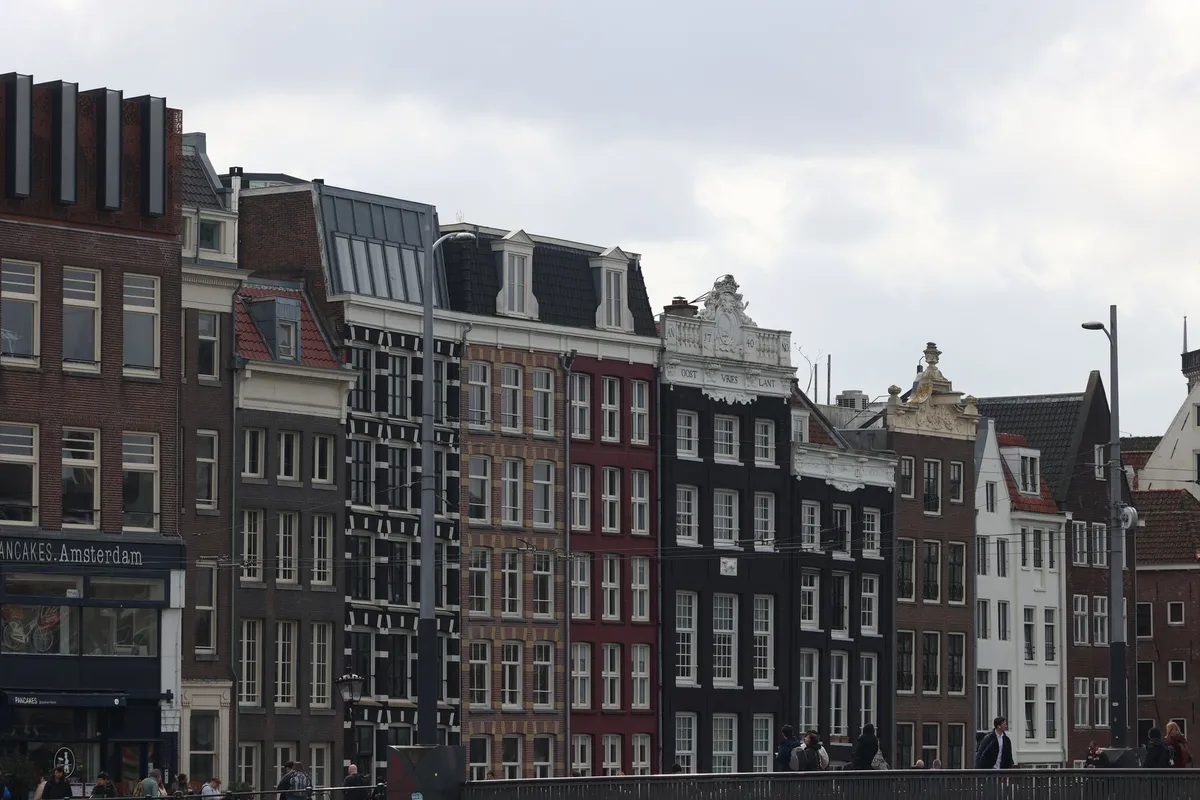
In practice, the area covers just a few blocks between Central Station and Nieuwmarkt square. Beyond the windows, it packs in bars, restaurants, coffee shops, museums, the city’s oldest church (Oude Kerk, from 1306), and a residential section where families live. It’s more compact than it looks — you can walk across the whole thing in 20 minutes.
The area works like any public street: you can come and go at any hour, without paying a thing. What’s different are the behavior rules, which have gotten stricter in recent years to protect residents and workers.
What are the Red Light District rules in 2026?
Amsterdam has tightened the Red Light District rules in recent years to curb predatory tourism. Anyone visiting De Wallen in 2026 needs to follow these rules — enforcement is real and fines are handed out.
| Rule | What applies | Fine |
|---|---|---|
| Photos of the windows | Photographing or filming workers is prohibited | Phone confiscation |
| Alcohol on the street | Prohibited outside bars | ~€95 (Aug/2026) |
| Cannabis on the street | Prohibited since May 2023 — only in coffee shops | €100+ (Aug/2026) |
| Guided groups | Maximum 15 people; after 7 PM (Thu–Sun), stopping in front of the windows is prohibited | Fine for the guide |
| Nighttime noise | Keep your voice down near residences (10 PM–2 AM) | Warning/fine |
Beyond the formal rules: never tap on the window glass, don’t block doorways, and don’t stand there staring at the workers. It may sound obvious, but it’s the behavior that irritates residents and professionals the most — and plainclothes police are circulating at all times.
Is Amsterdam’s Red Light District safe?
The Red Light District is one of the most heavily policed areas in Amsterdam, with uniformed officers, plainclothes police, and municipal inspectors circulating 24 hours a day. Video surveillance covers practically every street. For a tourist with common sense, it’s safe day and night.
The real risk is pickpocketing, especially on the narrow bridges between Friday and Saturday night. Keep your phone and wallet in your front pockets and avoid wearing an open backpack. Street drug dealers offer cocaine and MDMA that, most of the time, is inert powder — and the transaction exposes you to police and to scams.
If you witness harassment or a suspicious situation, call Meld Misdaad Anoniem (0800-7000) — they speak English and the call is anonymous.
Can you take photos in Amsterdam’s Red Light District?
Photographing the historic buildings, the canals, and the general architecture of the Red Light District is allowed. What’s prohibited — and strictly enforced — is photographing or filming the workers in the windows, even if they appear in the background of a selfie or a canal shot.
The rule is taken seriously: there are reports of phones being confiscated and cameras being demanded to delete photos. If you want to capture the area, photograph the canals, the Oude Kerk, and the architecture — never point your camera at the windows.
 Partner · Civitatissee all activities in Amsterdam ›
Windmills Tour: Zaanse Schans, Edam, Volendam & Marken
Rating 8.6 · 181 reviews on Civitatis
- Amsterdam - Bruges ExcursionRating 8.5 · 77 reviews on Civitatisfrom€45.50per personSee ›
- Van Gogh Museum Guided TourRating 10 · 2 reviews on Civitatisfrom€80per personSee ›
- Keukenhof Ticket with TransportRating 7.9 · 381 reviews on Civitatisfrom€45per personSee ›
- Canal Cruise AmsterdamRating 7.6 · 6,010 reviews on Civitatisfrom€18per personSee ›
Civitatis prices on 28/09/2026, from, per person. They may change. Want to compare? Activities in Amsterdam on GetYourGuide ›
What to see and do in the Red Light District beyond the windows
The Red Light District has attractions that justify a visit regardless of the windows. The area is the historic heart of Amsterdam and packs buildings from the 13th to the 17th century into just a few blocks.
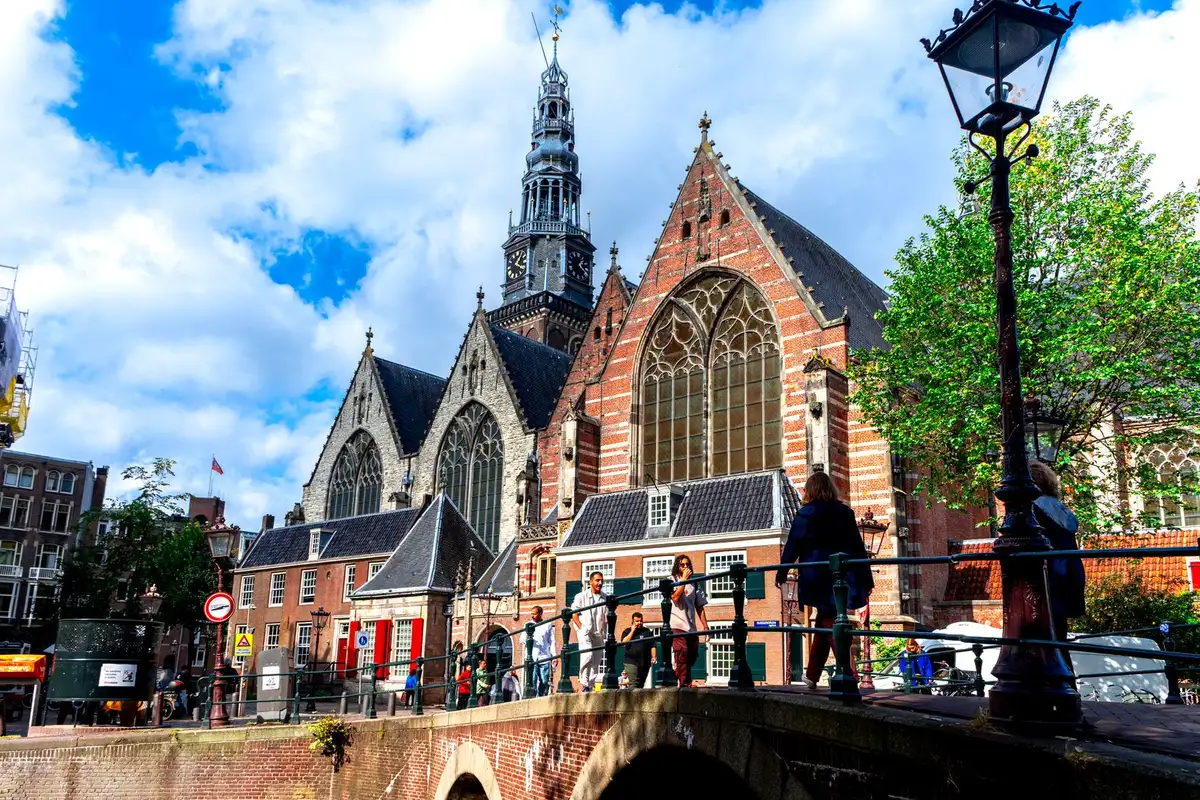
Oude Kerk (Old Church): built in 1306, it’s Amsterdam’s oldest building. The stained glass and wooden ceiling are worth the admission. It’s literally surrounded by the windows — the contrast is part of the neighborhood’s identity.
Museum Ons’ Lieve Heer op Solder: a 17th-century house with a clandestine Catholic church hidden in the attic, from the days when Catholicism was banned in the Netherlands. It’s one of the city’s most surprising museums.
Red Light Secrets (Oudezijds Achterburgwal 60H): a museum that shows the workers’ perspective — licensing, daily routine, history. Admission ~€15 (Aug/2026), a 45–60 minute visit.
Zeedijk street: one of Amsterdam’s oldest streets, running from the Red Light District to Chinatown. Great restaurants and architecture without the mass tourism.
To learn the historical context with a local guide, the Amsterdam free tour passes through the Red Light District and explains how the area became what it is today — no fixed cost, just tips.
What’s the best time to visit the Red Light District?
The best time to visit the Red Light District depends on what you want to see. During the day (2–5 PM, Tuesday to Thursday), the area works like a normal historic neighborhood — you can appreciate the architecture, visit the museums, and walk around calmly. At night (9–10:30 PM), the windows are lit and the nighttime vibe kicks in, but still without the overcrowding that starts after 11 PM.
Avoid Friday and Saturday after 11 PM if you want a peaceful experience — the area gets overrun by bachelor parties and rowdy groups, and the chance of theft goes up.
What nobody tells you about the Red Light District
Those who’ve visited the Red Light District and share their experiences on forums repeat the same warnings: the narrowest street catches you off guard, street drugs are a scam, and the neighborhood has residents who sleep just feet from the windows. These are common mistakes that turn a visit into a problem.
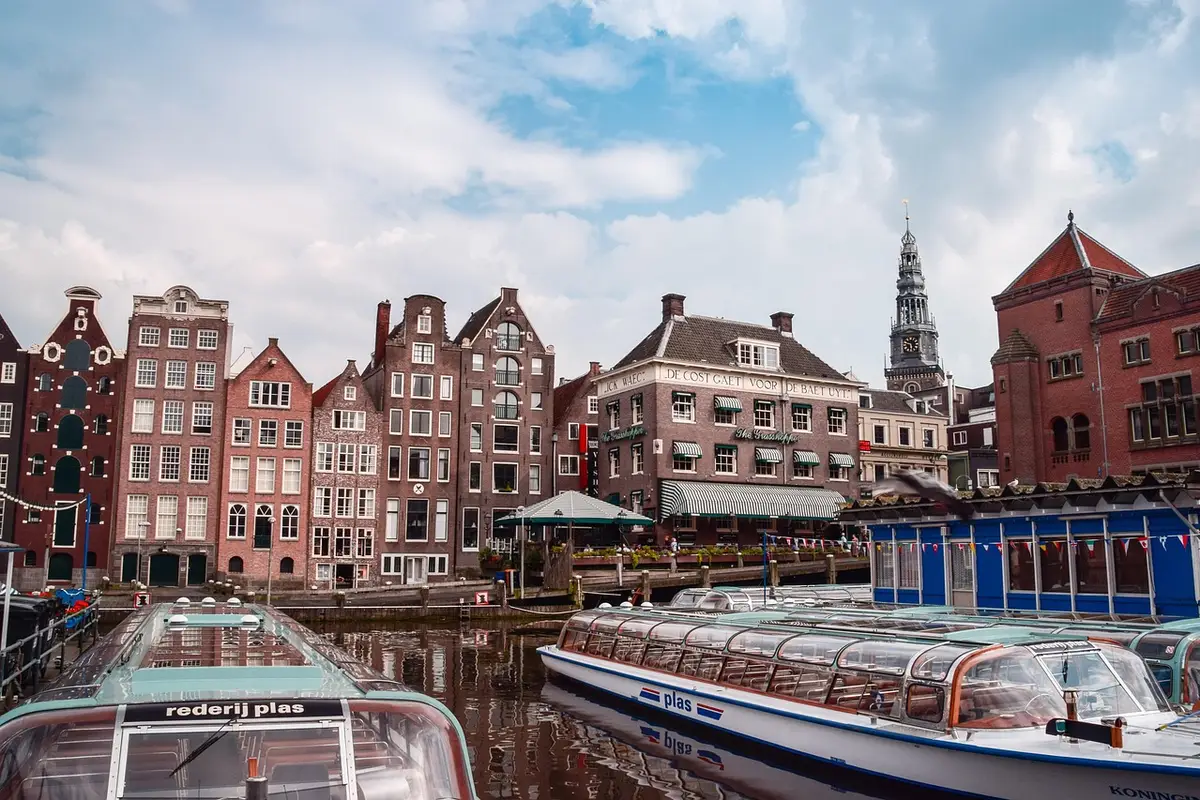
Trompettersteeg is 1 meter wide. The narrowest street in the Red Light District is one-way — if you enter against the flow, you’ll have to back out. Follow the directional signs.
Street drugs are a scam. Street dealers offer cocaine and ecstasy that are almost always flour or fake pills. Besides being illegal, the risk of robbery during the transaction is high.
The neighborhood has residents. Families live on the upper floors of the same buildings with the windows. Shouting in the street at dawn disturbs people who have to get up for work — and results in a fine.
Coffee shop ≠ café. A coffee shop sells cannabis; a café (“koffiehuis”) sells coffee. Walking into the wrong one thinking it’s the other is more common than it sounds.
Brazilians don’t need a visa to visit the Netherlands for stays of up to 90 days (Aug/2026, Dutch government).
 HotelAs soon as you have datesCompare neighbourhoods and guest ratings.Booking ›
- ActivitiesBefore you travelBook ahead the ones with limited spots.Civitatis ›
 More activitiesTo compareTickets, day trips and tours with flexible cancellation.GetYourGuide ›
Frequently asked questions
Do you have to pay to enter the Red Light District?
Amsterdam’s Red Light District is an open public area — there’s no ticket, gate, or access control. Anyone can walk the streets at any time, for free. The museums and venues inside the district charge admission separately.
Can you smoke marijuana in the Red Light District?
Since May 2023, smoking marijuana on Amsterdam’s streets is prohibited and the fine exceeds €100 (Aug/2026). In the Red Light District, cannabis consumption is only allowed inside licensed coffee shops — which require photo ID and only serve people over 18.
How much does a window in the Red Light District cost?
Prices for the windows in Amsterdam’s Red Light District are negotiated directly and vary. Private clubs charge between €50 and €150 for entry (Aug/2026). These are reference prices published in local guides; negotiation is individual and done in person.
Is the Red Light District going to close?
Amsterdam’s city government has discussed for years the possibility of relocating the windows to another part of the city, but as of August 2026 no definitive decision has been made. The Red Light District continues to operate normally, with stricter rules for tourists but no concrete plan for closure.
Conclusion
Amsterdam’s Red Light District is more than red-lit windows — it’s the city’s oldest neighborhood, with medieval churches, unusual museums, and canals that rank among the most beautiful in the Netherlands. Go with the rules in mind (no photos of the windows, no alcohol or marijuana on the street), pick a time that suits your style, and enjoy the best the area has to offer. If you’re putting together a Europe itinerary, pair Amsterdam with other capitals. The Amsterdam canal cruise shows the city from another angle. Also check out the Seville guide and the Prado Museum in Madrid to keep planning your Europe trip. Voyage Voyage helps you travel knowing what to expect.