 Marcelo Oliveira
João Pessoa pairs an easy-to-walk shoreline, tide-guided natural pools, and a historic center that deserves a full morning. For a first visit, the smartest move is to stay in Tambaú or Cabo Branco, set aside one day for the South Coast, and don’t treat the city as just a beach base.
Hotels in João Pessoafree cancellation options onlySee hotels ›Booking.com partner (advertising): we may earn a commission at no extra cost to you.
João Pessoa is worth it when you want sea, culture, and short drives all in one itinerary. In three days, you can cover the waterfront, the Historic Center, and a coastal trip; with five, you can add the beaches of Conde and Cabedelo without turning the trip into a race.
How to get to João Pessoa
Presidente Castro Pinto International Airport is in Bayeux, in the metropolitan area, and getting to Tambaú or Cabo Branco is usually easiest by rideshare, taxi, or transfer. Coming from Recife, you’ll find João Pessoa about 120 km away by road; it’s a doable day trip distance, but too short to really get to know the city at a relaxed pace.
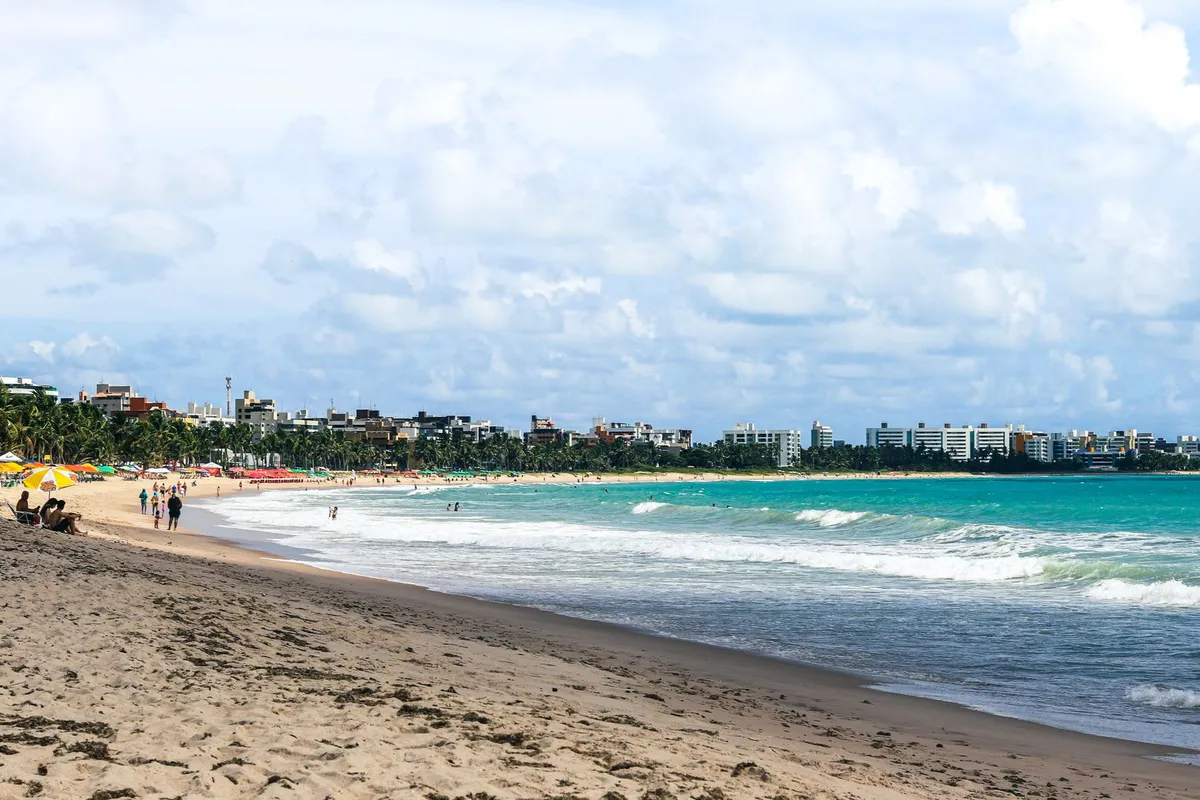
If your trip starts in Recife, book at least three nights in João Pessoa. The route looks close on a map, but the beaches, the center, and the tide schedules deserve their own time. To plan a longer coastal trip, also check out the Recife guide for first-time visitors.
Best time to go and how many days to stay
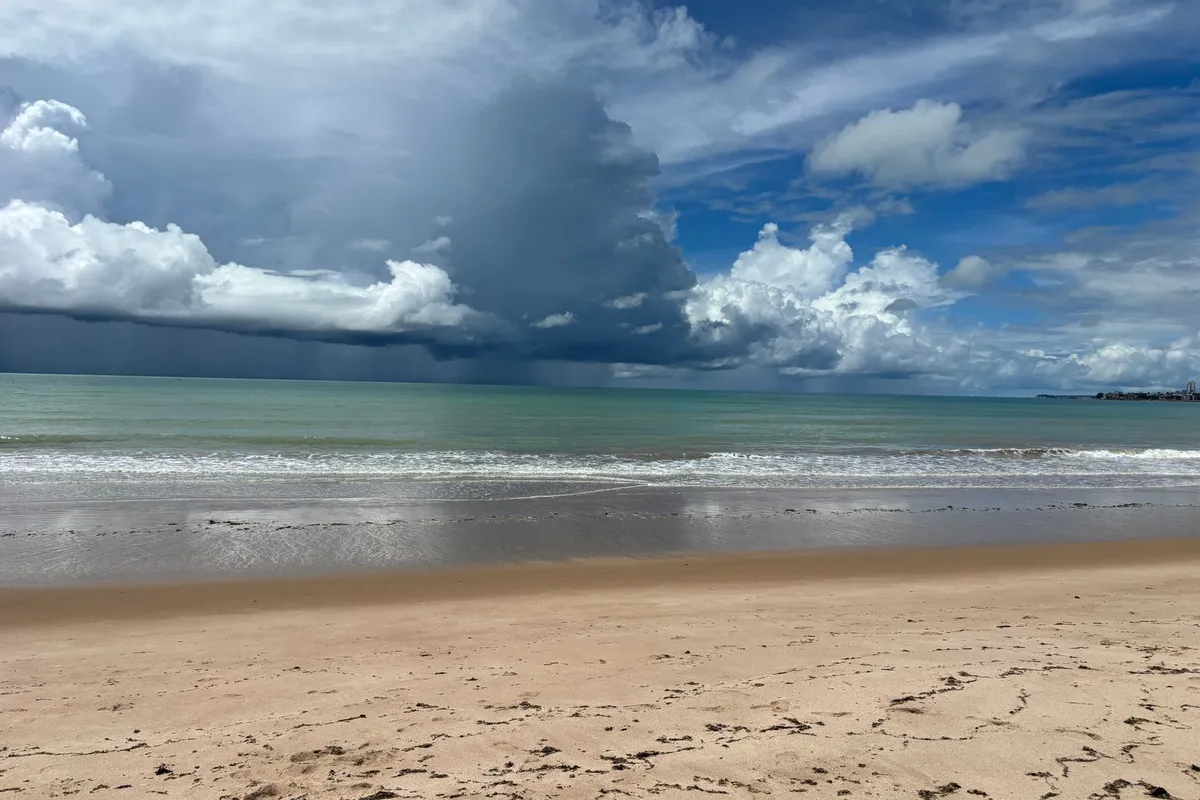
João Pessoa works year-round, but September through February usually brings drier days and more inviting water; in summer, expect bigger crowds on holidays and New Year’s. Between March and August, rain can shift the pace of your plans, though it won’t ruin the trip; check the tide tables when natural pools are on your list.
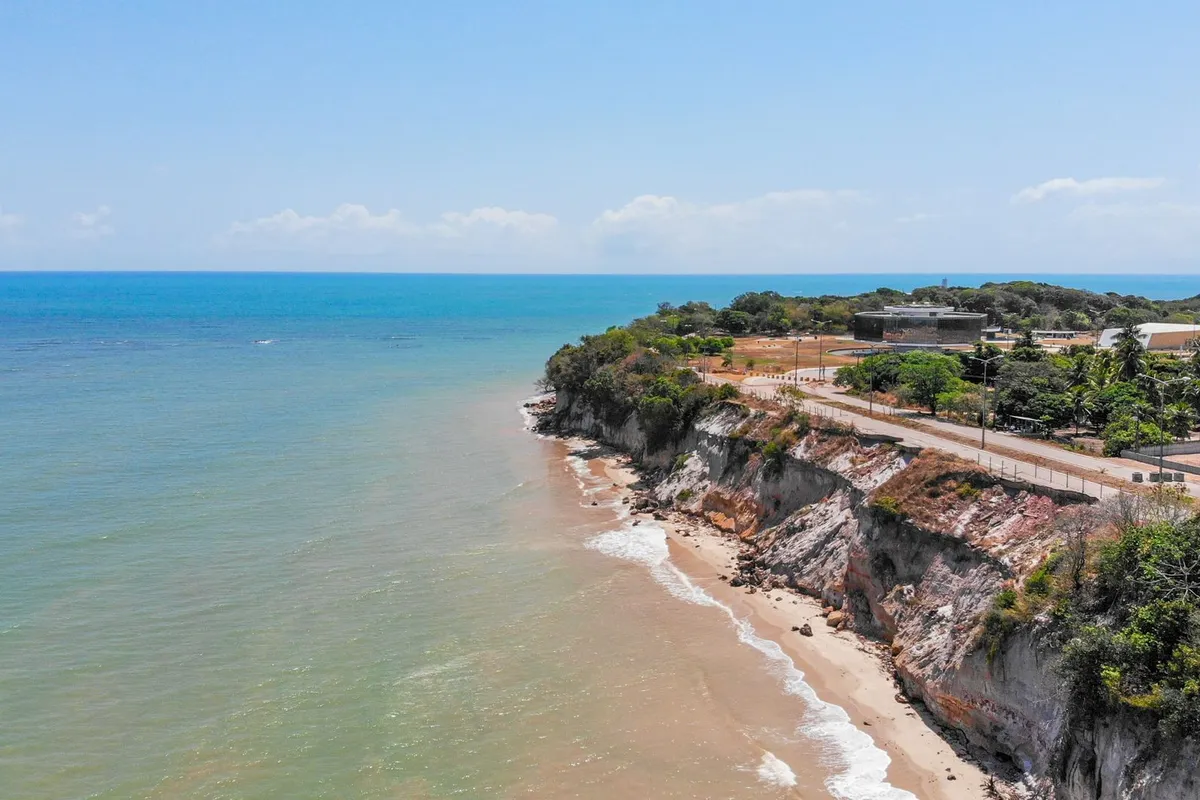
Three days is enough to get a feel for the city; four or five hits the sweet spot. Use the first day for the waterfront, the second for the Historic Center and Cabo Branco Lighthouse, and save the third for the South Coast or Cabedelo. The official João Pessoa Tourism portal rounds up the main attractions and helps you check one-off events.
What’s worth doing in João Pessoa
The choices that pay off most are catching sunrise at Ponta do Seixas, walking between Tambaú and Cabo Branco, visiting the Historic Center, and fitting in a beach beyond the urban waterfront. The city brings together coast and heritage without long hauls, but each outing gets better when you respect the tide schedule and avoid cramming everything into one day.
Waterfront, Ponta do Seixas, and Cabo Branco Lighthouse
Tambaú is the most practical spot if you want to be near hotels, the night market, and restaurants. Cabo Branco offers a longer seaside walk, while Ponta do Seixas marks the easternmost point of the Americas. Get there early if you want photos with fewer people. The sun rises there first, but the point doesn’t replace a full beach day.
Historic Center and São Francisco Church
The Historic Center shifts the tone of your trip. São Francisco Church, the Franciscan complex, and the streets of Varadouro help explain why João Pessoa is one of the country’s oldest cities. The João Pessoa city government also highlights Praça Rio Branco and Saturday performances as options to weave into your visit.
 Partner · Civitatissee all activities in João Pessoa ›
Ponta do Seixas Natural Pools Day Trip
Rating 7.2 · 15 reviews on Civitatis
- Day Trip to Tambaba & Coqueirinho BeachesRating 9 · 27 reviews on Civitatisfrom€22per personSee ›
- Porto de Galinhas ExcursionRating 7.6 · 5 reviews on Civitatisfrom€37.90per personSee ›
- Sunset at Jacaré BeachRating 7.4 · 18 reviews on Civitatisfrom€9.13per personSee ›
- Buggy Tour Along the South Coast of ParaíbaRating 9.5 · 4 reviews on Civitatisfrom€152.98per personSee ›
Civitatis prices on 28/09/2026, from, per person. They may change. Want to compare? Activities in João Pessoa on GetYourGuide ›
If you’d rather start by understanding the city instead of driving between scattered spots, the guided tour of João Pessoa packs the center and the waterfront into a single program.
Beaches and itineraries to pair with João Pessoa
The South Coast is the strongest extension if you want cliffs, coves, and beaches like Coqueirinho and Tambaba; Cabedelo concentrates alternatives like Camboinha, Areia Vermelha, and the Jacaré sunset. Pick one side per day. Trying to cross both back-to-back usually eats into your time in the water.
A simple three-day itinerary
On day one, start on the waterfront between Tambaú and Cabo Branco, walk as far as feels right for your pace, and leave the evening for the night market or a restaurant near your hotel. On day two, hit Ponta do Seixas in the morning and head to the Historic Center after lunch; it’s a better combo than bouncing between beach and museum under the harshest sun.
Save the entire third day for one choice: the South Coast if you want scenery and cove beaches, or Cabedelo if you prefer Areia Vermelha, Camboinha, and the estuary sunset. With four days, use the extra time to revisit the beach with the best water conditions. With five, add cafés, crafts, and a morning with no planned outing.
This setup also avoids a common mistake: treating João Pessoa’s waterfront as if all beach experiences were the same. Tambaú is convenient; Bessa, Cabo Branco, Coqueirinho, and Camboinha each have a different vibe. Reading the tides and being willing to move around a bit will shape the quality of your day more than a long list of stops.
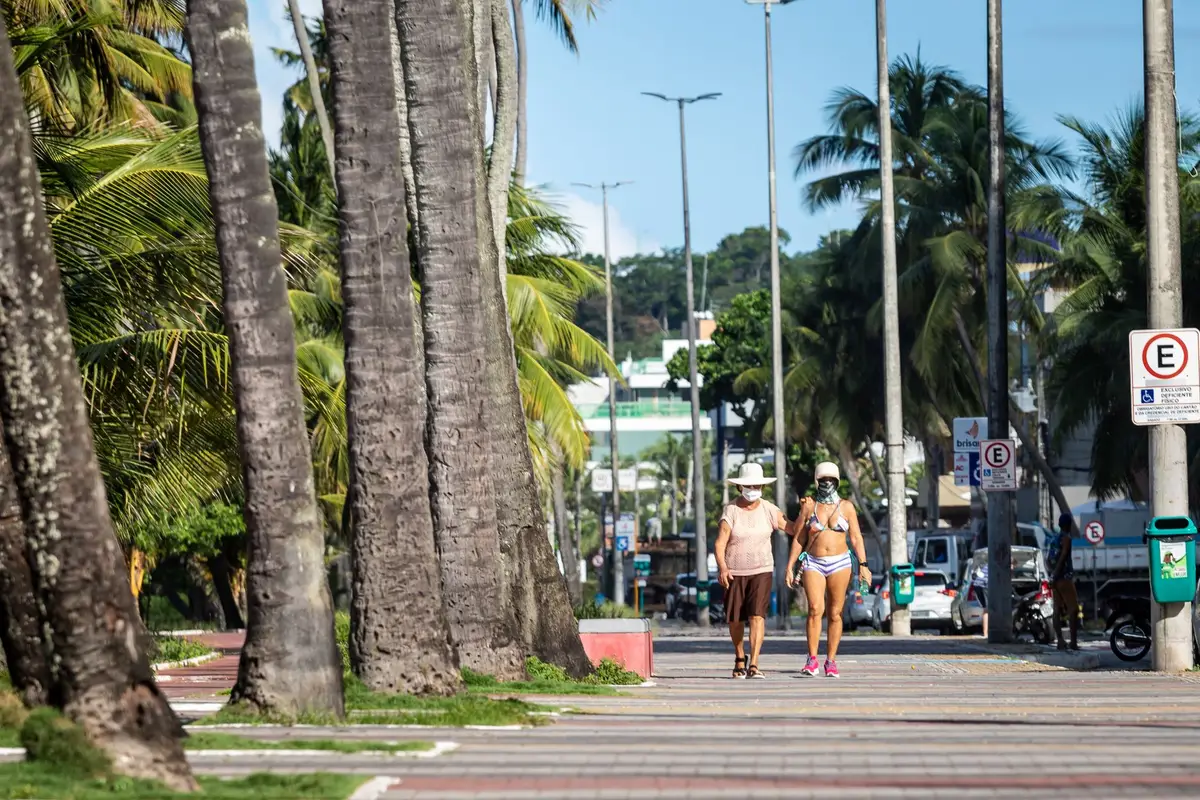
For natural pools, the timing matters more than the beach’s name: check the tide table and pick outings that line up with low tide. For a bigger Northeast itinerary, compare João Pessoa’s pace with five days in Natal, between dunes and sea and the calm beaches of Aracaju.
Where to eat and where to stay
For a first stay, Tambaú solves the logistics: you’re close to the beach, the night market, and plenty of dining options. Cabo Branco tends to suit those who prefer a more residential waterfront and a long walk. Manaíra works if you prioritize restaurants and shopping; Bessa is a solid bet for a less crowded beach routine.
At the table, look for tapioca at breakfast, seafood near the waterfront, and Paraíba specialties like rubacão and carne de sol. The best approach isn’t hunting down a single address, but choosing the neighborhood where you want to end your day: Tambaú for the buzz, Cabo Branco for a stroll, Manaíra for urban variety.
Where to stay in João Pessoa
| Hotel | Rating | |
|---|---|---|
| Hotel Cabo Branco AtlânticoCabo Branco · On Av. Cabo Branco, the calmest stretch of the seafront | 9,0945 reviews | See prices |
| Icon Hotel by WelkomCabo Branco · On Av. Cabo Branco, on the southern stretch of the seafront | 9,2633 reviews | See prices |
| Rede Andrade SolmarCabo Branco · On Av. Cabo Branco; over 3,000 reviews | 8,83.737 reviews | See prices |
| Val Atlantic HotelCabo Branco · On Av. Cabo Branco, near the Icon | 8,31.799 reviews | See prices |
| Infinity at the Sea by WelkomCabo Branco · On Av. Cabo Branco, near Tambaú | 8,3658 reviews | See prices |
| BA'RA HotelCabo Branco · On Av. Cabo Branco, near Tambaú | 8,9916 reviews | See prices |
| Smart Hotel João PessoaTambaú · In Tambaú, on Av. N. Sra. dos Navegantes | 8,92.158 reviews | See prices |
| Hotel Caiçara João PessoaTambaú · In Tambaú, on Av. Olinda | 8,61.123 reviews | See prices |
| Blue HotelTambaú · In Tambaú, a lower-priced option | 8,3272 reviews | See prices |
| Verdegreen HotelManaíra · In Manaíra, near the seafront | 8,7512 reviews | See prices |
Booking.com rating on 30/09/2026
Living in João Pessoa: Costs, Work, and Daily Life
João Pessoa can be a great city to live in if your income matches the neighborhood and the kind of commute you’re willing to accept. The waterfront delivers beach access and walkable services, but rents are higher; more distant neighborhoods can lower your housing costs but add time to your commute. The best benchmark isn’t a city-wide average, but the budget of the neighborhood where you plan to live.
JP PB is the informal shorthand for João Pessoa, Paraíba. When the conversation turns to cost of living, compare rent, condo fees, groceries, transportation, and health insurance using data from the month you plan to move. The city has a tight real estate market in beach areas and urban inequalities that don’t show up in a quick “cheap city” calculation.
There’s also no single average salary that should decide a move: the numbers vary by employment type, occupation, and sector. The official indicators from João Pessoa on IBGE are the reference for comparing jobs and income with an explicit base year. In practice, mobility, safety, and professional opportunities carry the same weight as proximity to the sea.
Practical Tips to Make the Most of Your Time
João Pessoa is safe to plan as a beach city, not a resort: wear sunscreen, bring water for the trip to the Farol (lighthouse), and check water quality before choosing where to swim. SUDEMA publishes water quality reports; check the latest edition during the week of your trip.
During high season, book your accommodation in advance and leave room to shuffle your itinerary based on the tides. Don’t confuse the cost of living with the cost of traveling: beachfront neighborhoods have higher nightly rates, while food and transportation offer very different options depending on your route.
 HotelAs soon as you have datesCompare neighbourhoods and guest ratings.See hotels ↑
- ActivitiesBefore you travelBook ahead the ones with limited spots.Civitatis ›
 More activitiesTo compareTickets, day trips and tours with flexible cancellation.GetYourGuide ›
Frequently Asked Questions
What’s worth seeing in João Pessoa?
In João Pessoa, prioritize the Tambaú and Cabo Branco waterfront, Ponta do Seixas, the Historic Center, and a day on the South Coast or in Cabedelo. This combination shows off beaches, heritage, and scenery without requiring long trips.
What’s the best time to visit João Pessoa?
The best time to visit João Pessoa is usually from September to February if you want the best chance of dry days. For natural pools, the tide table for your travel dates matters just as much as the season.
What’s the most beautiful city in Paraíba?
There’s no objective answer to the most beautiful city in Paraíba. João Pessoa stands out for its combination of waterfront and historic center; Conde tends to attract those seeking cliffs and South Coast beaches, while Cabedelo is known for its beaches and estuary.
Is João Pessoa close to Recife?
João Pessoa is about 120 km from Recife by road. The trip is doable as a day trip, but it’s worth staying overnight in João Pessoa to enjoy the waterfront at night, the sunrise, and tide-dependent excursions.
What’s the cost of living in João Pessoa, Paraíba?
The cost of living in João Pessoa varies a lot by neighborhood. Tambaú and Cabo Branco concentrate properties and services tied to the waterfront; more distant areas tend to offer more affordable options. For travel, the nightly rate is the item that changes your budget the most.
Conclusion
João Pessoa rewards an itinerary that respects the rhythm of the sea and blends beach with city. Use this Voyage Voyage guide as a starting point, choose your base on the waterfront, and leave at least one free day to follow the tide to the South Coast or Cabedelo.