Beaches & Nature

Ilha Grande What to Do: Itinerary and Lopes Mendes Without a Hitch

🇧🇷 POR | 🇫🇷 FR | 🇺🇸 EN | 🇪🇸 ES

Ilha Grande: how to get there by boat, how many days to stay, where to sleep, and how to plan Lopes Mendes with a buffer for the weather. The difference lies in organizing your transfers and tides before picking each beach. Before you book, settle on your base, confirm your first transfer, and keep a simple backup plan for any change in the weather.

A solid Ilha Grande itinerary needs some slack: leave at least one free half-day to adapt your plan to the weather, the sea, and local logistics.

Build in a buffer half-day. It absorbs a weather shift, a boat delay, or a beach that deserves more of your time.

How to get to Ilha Grande

Ilha Grande has no road access: you arrive by boat from Angra dos Reis, Conceição de Jacareí, or Mangaratiba. Compare your departure point based on your land route and leave a buffer for the last boat; the sea and operations can change schedules. Check out ideas for the Bahia coast when your route allows.

Travel landscape related to ilha grande what to do
Vila do Abraão: pick your time based on the sea and your transfer. | Photo: Gabriel Fontes de Sousa / Pexels

For your initial transfer, confirm the meeting point and the waiting time; this keeps you from losing your morning to lines or scrambling for a driver at the last minute.

Abraão or another village?

Vila do Abraão is the easiest base for a first trip because it concentrates inns, markets, restaurants, agencies, and boat departures. Smaller villages serve those who already know where they want to stay and are okay with fewer services and connections. Check out ideas for the Bahia coast when your route allows.

Travel landscape related to ilha grande what to do
Lagoa Azul: pick your time based on the sea and your transfer. | Photo: Pedro Slinger / Pexels

How many days and which itinerary to follow

Four nights let you cover Abraão, a day on a boat, and Lopes Mendes without turning everything into a race. With two days, pick just one boat trip and one hike; with more time, fit in Aventureiro, Dois Rios, or coves on the other side of the island. Check out ideas for the Bahia coast when your route allows.

Travel landscape related to ilha grande what to do
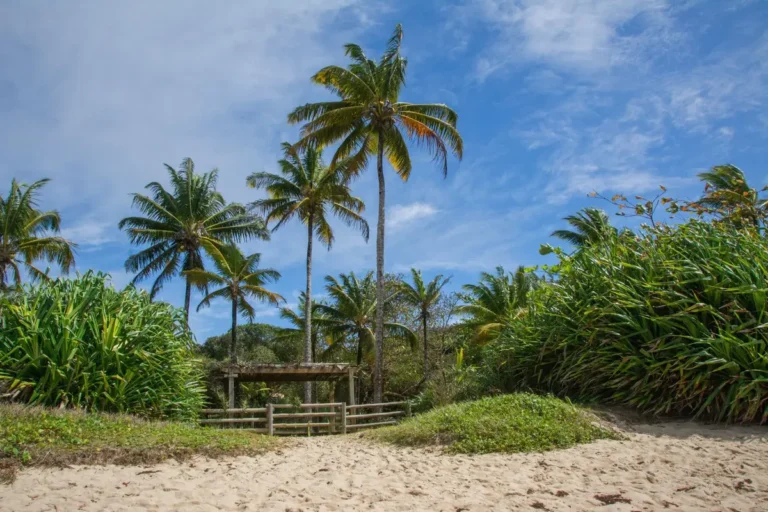
Lopes Mendes: pick your time based on the sea and your transfer. | Photo: romaneau / Pixabay

If you’d rather not negotiate every leg on the ground, there are options to book your tour or transfer in advance.

Lopes Mendes: how to get there

For Lopes Mendes, the classic combo is a boat to Pouso and a final hike, or a longer walk from Abraão. The beach isn’t a place to wing it: bring water, snacks, sunscreen, and confirm the sea conditions, the return boat, and the hike time. Check out ideas for the Bahia coast when your route allows.

Travel landscape related to ilha grande what to do
Praia Preta: pick your time based on the sea and your transfer. | Photo: Mayumi Maciel / Pexels

Start with the map: mark your lodging, your starting point, and a nearby beach. That read prevents you from picking an itinerary that looks great on paper but falls apart on the same day.

Check the forecast the night before and watch the wind direction. On an open coast, it changes how the sand feels, how the swim is, and even how comfortable a crossing is.

Set aside the first day to get a feel for the local rhythm. After arrival, check-in, and basic shopping, an easy beach usually pays off more than trying to squeeze in a distant excursion.

Plan meals around your transfers, not just reviews. Bringing water and a simple snack helps when your chosen beach has few options or when the return trip takes longer.

If you’re traveling in high season, book your transfer, boat, or desired restaurant before you head out. The time you save is usually worth more than hunting for a backup once the day is already rolling.

Make a short list of items that can’t stay in your suitcase: sunscreen, bug spray, a beach blanket, a charger, and your ID. In beach destinations, buying these at the last minute limits your choices.

For hikes, wear shoes that can get wet and keep your phone protected. The access trail is part of the adventure, but it stops being fun when you run out of water or carry too much weight.

Don’t treat transport times as a detail. Note the last return and set a realistic buffer to reach the dock, the road, or the meeting point.

When tides are involved, check the tide table the day before. It guides you on beach crossings, natural pools, and the safest time to leave a more remote beach.

Split your days by region. Mixing beaches from different sides of the destination adds time in the car and cuts into the very calm that motivated the trip.

Ask your lodging about road, trail, and sea conditions. Local info doesn’t replace caution, but it reveals recent changes that an old itinerary won’t show.

On rainy days, swap the beach goal for a village, a café, a local museum, or rest. Forcing an outdoor excursion usually costs more and delivers less.

Avoid stacking paid activities on the same day. A boat experience paired with a beach you can reach on foot keeps your budget and energy in check.

Carry a small cash reserve, even if you use a card. Signal, card machines, and connections can fail right at remote kiosks or boats.

Take photos or save your receipts offline before boarding. That simple move solves situations when the signal drops near departure time.

Choose your inn with the nighttime return in mind. Being close to the center can cut rides and make dinner easier; being near the beach can pay off when your priority is waking up early.

Respect preservation areas and carry your trash out until you find collection. Infrastructure varies, and the experience of those who come after depends on these small choices.

If you’re traveling with kids or someone with reduced mobility, confirm access, bathrooms, and shade before heading to remote beaches. The photo of the place doesn’t tell you those conditions.

Leave the last morning with no rigid commitments. It’s for repeating your favorite beach, making up for a lost day, or simply leaving without turning checkout into a race.

When building your budget, separate local transport from food and tours. It’s in that daily sum that a seemingly simple destination can get pricier than planned.

Also check out the Arraial d’Ajuda guide, the Salvador itinerary, and the Brazil beach tips to compare routes. Also double-check details on the Ministry of Tourism and official environmental sources.

A good itinerary also builds in downtime. After a ferry crossing or a long drive, taking a shower, reorganizing your backpack, and eating at a relaxed pace changes the quality of the rest of the day.

Pick one main activity per stretch of the day: a beach, a hike, or a boat trip. Stacking three different transfers usually turns the trip into a series of check-ins.

When weighing costs, always ask whether transfers, boarding fees, parking, or minimum consumption are included. The right comparison is the final price, not the advertised one.

If the sea conditions aren’t right for your plan, pick a nearby activity instead of pushing through. Flexibility beats a rigid list of attractions.

Travelers without a car should base themselves where markets and restaurants are within walking distance. That saves your transport budget for what actually expands the itinerary.

Before leaving the beach, pick up your trash, check the tide, and protect your electronics. These small habits prevent losses and help preserve the place you visited.

In high season, wake up earlier to hit parking lots and boarding points with less pressure. The difference shows in the first hour, when the destination is still emptier.

When you get back to your inn, jot down what worked that day. That quick review sharpens your next choices and keeps you from repeating a transfer that wasn’t worth it.

Plan your return before you head out. That preserves beach time and cuts down on surprise costs.

Keep an eye on local conditions without turning the trip into a spreadsheet. One check in the morning and another before you leave is enough to adjust your day safely.

When torn between two beaches, pick the one that fits your available time best. The closer option often delivers more swimming and less moving around.

Beach itineraries work best when they include rest. Setting aside an afternoon with no heavy transfers keeps fatigue from dictating your last-day choices.

If you’re hiring a guide or booking a tour, read what’s included and ask about the time policy. Transparency before booking prevents a frustrating experience later.

Keep realistic expectations about cell signal, traffic, and lines. Travelers who accept small plan changes enjoy the destination more when it’s crowded.

When choosing a beach stall or restaurant, confirm whether there’s a minimum spend and which payment methods are accepted. That one-minute conversation prevents surprises at the bill.

Protect yourself from the sun even on cloudy days and bring a light layer for late afternoon. Staying comfortable helps you stretch out the outing without heading back early.

For a group trip, agree on departure times and budget beforehand. Settling the basics early reduces standoffs when everyone’s ready to have fun.

Use maps only as a starting point. On the ground, prioritize signage, locals’ advice, and access rules, especially around beaches, trails, and boarding points.

On your last day, keep your luggage organized and choose an activity close to your exit point. That way, a transport delay doesn’t turn the end of the trip into a worry.

On Ilha Grande, the return time is no small detail. After picking a cove or trail, confirm the last boat and keep your hike within daylight hours.

Abraão handles the logistics for a first trip, but that choice changes if your priority is silence, snorkeling, or a specific beach. Compare available services and boat time before trading convenience for isolation.

Frequently Asked Questions

How do I get to Ilha Grande?

Plan your arrival around current schedules and confirm operations the day before; that way, getting there stops being a guessing game.

How many days should I spend on Ilha Grande?

The ideal length depends on your pace, but splitting nearby and farther beaches across different days keeps the itinerary from getting stuck on transport.

Abraão or another village?

The best base is the one that matches services, return options, and the type of beach you want. Compare the real distance before deciding on nightly rate alone.

How do I get to Lopes Mendes?

For beaches that require a boat or a hike, confirm the return before you leave, bring water, and keep a backup plan for weather changes.

Conclusion

Ilha Grande What to Do pays off more when you pick fewer spots per day and know how you’re getting back. Keep planning with the Voyage Voyage guides.