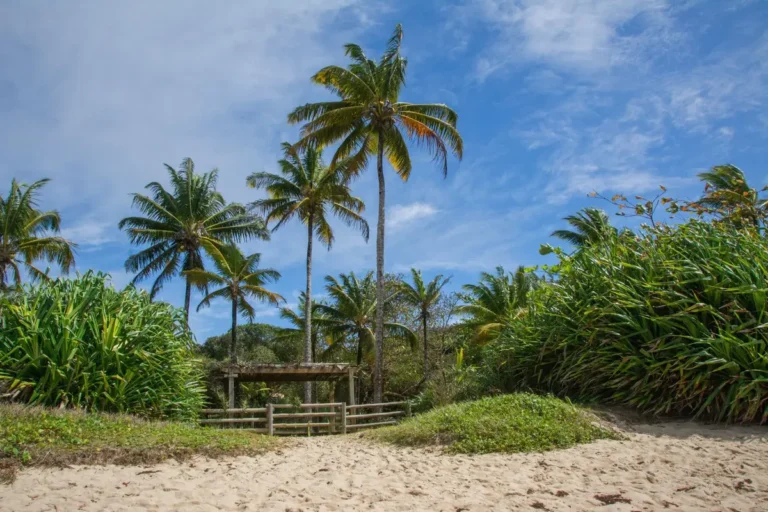
Figuring out what to do in Pirenópolis works best when you split your itinerary by area and leave some buffer for time, traffic, and rain. The town combines waterfalls, surrounding trails, and a historic center; trying to cram everything into a few hours usually turns travel time into too big a part of the trip. The right order changes the outcome a lot.
Pirenópolis calls for two days, with one waterfall per day and time for the center; pick a base, group nearby attractions, and confirm access rules before heading out. That way, you enjoy what motivated the trip without relying on a last-minute rush.
Getting to Pirenópolis
Pirenópolis requires some transportation planning, especially if you intend to combine the center, nature, and outlying neighborhoods. Pirenópolis is about 150 km from Brasília and 120 km from Goiânia; a car makes accessing the waterfalls much easier. Check the travel time on the map for the day and don’t rely only on the distance in kilometers as a reference.

The best arrival is one that leaves you with autonomy during the period when attractions are less crowded. If you’re driving, fill up the tank before hitting the smaller roads and save offline maps; cell signal isn’t a guarantee in rural areas.
For those arriving by bus, the simplest strategy is to focus the first day on urban spots and leave long trips for a booked tour. Also check the official Pirenópolis tourism channels before confirming your schedule.
How many days to stay in Pirenópolis
In Pirenópolis, two days, with one waterfall per day and time for the center. One day is enough to explore the center and choose one main experience; two days allow you to split the routes and avoid the trip depending on a single schedule.
The practical rule is to reserve a full morning for each outing that involves water, trails, boats, or mountains.
On the second day, prefer a different area from the one you visited on the first. This choice reduces unnecessary backtracking and opens up time for a relaxed lunch, changing clothes, or waiting for better weather.
| Time | Possible itinerary | Pace |
|---|---|---|
| 1 day | Center and one main attraction | Focused |
| 2 days | Two areas and a break for food | Comfortable |
| 3 days | Urban core, nature, and a climate reserve | Complete |
Things to do in Pirenópolis
What to do in Pirenópolis depends on the type of trip: those seeking scenery should start with the waterfalls, surrounding trails, and the historic center; those who prefer history or food can mix the main attraction with the center. The day’s plan improves when you choose a priority, not an endless list.

Start early, bring water, and check if there’s a visitor limit, entrance fee, or need for a guide. During peak times, booking ahead avoids losing your morning at the gate; on quiet days, it lets you choose your time more calmly.
After the main outing, swap a second long activity for a viewpoint, a short walk, or a regional meal. The contrast between the movement outside and the pace of the center is often the most enjoyable part of the itinerary.
Use the tours and attractions, nature, and cities content from Voyage Voyage to build connections with other Brazilian trips.
If you want to get your booking sorted before the trip, this selection helps you compare the activity available for your chosen date.
Read the duration, meeting point, and cancellation policy before paying. These details change the logistics more than a small price difference.

If the option doesn’t match your pace, stick with the plan to do the main attraction on your own and use the free time for the center.
How to plan your Pirenópolis itinerary
An efficient Pirenópolis itinerary starts with geography, not the order of photos you saved. Mark your accommodation, the waterfalls, surrounding trails, the historic center, and food stops on a map; then, group only what fits within the same trip.
The day before, confirm if there’s a need for tickets, reservations, wristbands, guides, or cash payments. This check takes a few minutes and prevents arriving at an attraction only to be caught off guard by an exception in hours, capacity, or maintenance.
If you’re traveling as a couple or group, agree beforehand on the priority: rest, swimming, hiking, photography, museums, or restaurants. A simple agreement reduces the tendency to add a stop on impulse at every corner of the road.
Reserve the first hour of the morning for the activity that can’t handle delays. Leave shops, cafés, viewpoints without access control, and short walks for the late afternoon, when a change of plans causes less damage.
On trips with kids, choose a single attraction with good infrastructure and treat the rest as a bonus. Bathrooms, shade, parking, and travel time matter more than the number of points marked on the itinerary.
Those traveling without a car should plan the day around confirmed transportation, not imagined transportation. Note the contact, agreed price, meeting point, and return time; app coverage can vary outside the central area.
Bring a small bag with your ID, raincoat, sunscreen, personal medication, and a change of dry clothes when water is involved. The goal isn’t to carry everything, but to avoid a basic detail cutting your experience short.
If the weather turns bad, don’t force the outdoor plan. Swap it for an urban attraction, a longer meal, or a break at the inn. Flexibility is part of the itinerary and often leads to better choices than insisting on an unsafe condition.
It’s also worth setting aside a small contingency budget. Parking, access fees, transfers, and an unplanned meal pop up more often than you’d think, and they shouldn’t force you to cut your main activity.
Before bed, review the next day based on what worked. In Pirenópolis, this simple review helps you adjust your departure time, drop a dispensable stop, and save energy for the part you really want to enjoy.
When to Visit Pirenópolis
The best time to visit Pirenópolis depends more on what you want to do than on a single answer. In the dry season, roads and trails tend to be easier; in the rain, the waterfalls gain volume but require caution with lightning, mud, and sudden changes. Keep an eye on the forecast, rainfall levels, and official announcements from the attractions, as safety and access can change from one day to the next.

On holidays and school breaks, head out early and expect higher lodging prices. Outside those peaks, you gain flexibility, but you shouldn’t assume every service runs on the same schedule.
If your trip includes swimming in waterfalls, boating, or hiking, pack a dry change of clothes and protection for your electronics. The decision to get in the water should follow local guidelines, not your desire to stick to the itinerary.
Where to Stay in Pirenópolis
Choose your lodging in Pirenópolis based on your first commitment of the morning. Staying in the center favors restaurants and walking; a more remote base can shorten access to the waterfalls, surrounding trails, and the historic center, but it requires a car and dinner planning.
Compare the total cost: nightly rate, parking, breakfast, distance, and travel time. A seemingly cheaper rate can end up costing more when your itinerary demands a lot of back-and-forth.
Before booking, confirm the check-in time, access on rainy days, and whether the inn has the right setup for wet clothes, kids, or remote work, depending on your trip.
Practical Tips for Pirenópolis
In Pirenópolis, bring your ID, an alternative payment method, and a small stash of water and snacks for days spent outside the center. Check rules and prices directly on the official source or responsible attraction, as of July 2026, because rates and hours vary.
Don’t treat social media images as a guarantee of access. Ask about parking, restrooms, accessibility, and conditions for kids before you head out. On mountain roads or dirt tracks, drive with your lights on and no rush.
Finally, leave a free slot in your itinerary. It works both for an unplanned stop and for when the weather forces a change of plans.
To compare other tours and available times, use the destination panel below before you reach the FAQ.
Don’t book just because there’s availability. Confirm that the meeting point fits your route and that the activity matches the experience you want to have.
With these precautions, your itinerary stays flexible without losing the attractions that truly justify the trip.
Frequently Asked Questions
Which waterfalls are worth visiting in Pirenópolis?
In Pirenópolis, Cachoeira do Abade, Cachoeiras dos Dragões, Santuário Vagafogo, and the Parque Estadual dos Pireneus region are frequent choices. Compare distance, trail, facilities, and reservation requirements before deciding.
How many days should I spend in Pirenópolis?
Pirenópolis needs at least two days to combine a waterfall, the historic center, and a second natural area without turning the trip into a rush. Three days work better for those who want long hikes or a slower pace.
When should I visit Pirenópolis?
The dry season favors travel and trails in Pirenópolis; the rainy season makes waterfalls more voluminous but demands attention to weather conditions. Avoid entering risk areas during storms and confirm what’s open.
Can I visit Pirenópolis without a car?
It’s possible to reach Pirenópolis without a car, but the waterfalls are spread out and local transport is limited. To enjoy the natural areas, arrange transfers, taxis, or tours in advance.
Conclusion
Pirenópolis pays off more when you choose your daily priority wisely and don’t try to cover an entire map in a few hours. Save this guide and keep browsing Voyage Voyage to compare destinations, routes, and tours.
For a mountain trip with trails and cold weather, also check out the Monte Verde guide.
To plan a nature trip in Minas Gerais, also read the Capitólio itinerary.