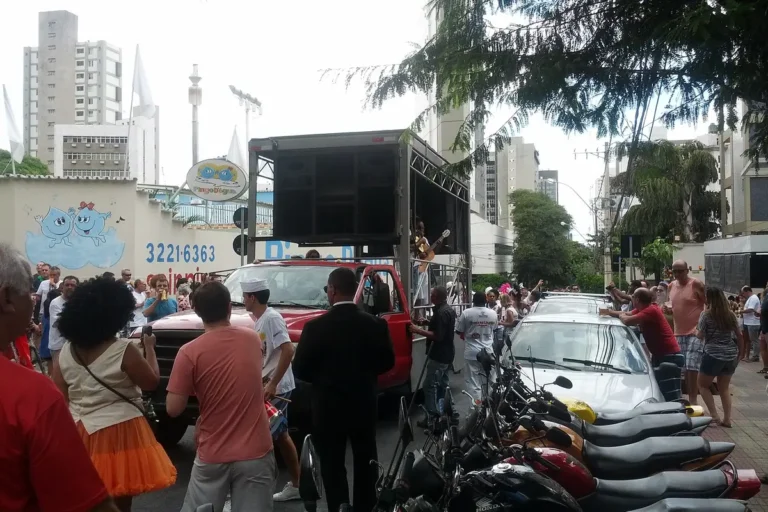
Belleville in Paris is the pick for anyone looking to trade long lines and pricey storefronts for a hillside, multicultural neighborhood full of painted walls. Between the Parc de Belleville, Rue Denoyez, and Franco-Asian dining spots, you can easily fill an entire afternoon without repeating the city-center itinerary.
To see a historic Paris in the center before heading east, check out this itinerary for Paris’s covered passages.
The best Belleville itinerary starts at the Parc de Belleville viewpoint, winds down through streets of urban art, and ends at a neighborhood restaurant; set aside four to six hours and take the metro—no tickets needed.
How to get to Belleville
Belleville sits on the border of the 19th and 20th arrondissements in eastern Paris. The Belleville and Pyrénées metro stations drop you in the heart of the neighborhood; Jourdain is handy for starting at the top, near the park. Lines 2 and 11 handle the trip from tourist areas like République, Châtelet, and Montmartre.

From the airport, there’s no reason to take a dedicated taxi just for Belleville: get to your hotel or a central station first, then continue by metro. For smoother transit, check the map and daily alerts on the official RATP website. The walk involves short uphill stretches; sturdy shoes make a difference, especially between Jourdain and the park.
Best time to visit and how long to allow
A clear afternoon is the best time for Belleville because the viewpoint is a central part of the experience. Spring and early fall combine pleasant temperatures with long daylight; in winter, the neighborhood is still interesting, but the park loses some of its charm late in the day.
Allow four hours for the essential route, or six if you want a leisurely lunch and time to explore side streets. Arriving an hour or two before sunset gives you the view from Parc de Belleville and still leaves time for dinner in the neighborhood. On Sundays, double-check the opening hours of the shops and restaurants you’ve picked: Belleville is residential and doesn’t operate like a single-attraction site with one set schedule.

What to see in Belleville: viewpoint, streets, and street art
Belleville isn’t a collection of monuments to tick off a list; the appeal is observing a less choreographed side of Paris. Start at the Parc de Belleville, move on to the mural-lined streets, and leave room to pop into grocery stores, cafés, and small shops you come across along the way.
Parc de Belleville and the viewpoint
Parc de Belleville sits on a hillside and offers a wide perspective over Paris’s rooftops. The upper esplanade is free and works best when the sky is clear; look out over the city before hunting for the Eiffel Tower, because the charm lies in the less obvious panorama.
The park is also a useful break between two walks. Bring water, sit on the benches if the weather cooperates, and don’t turn the visit into a race against the clock. The city hall and official tourism office update general info on parks and neighborhoods, while Paris je t’aime is a good reference for checking which attractions are open.

Rue Denoyez and the murals
Rue Denoyez is the most famous address when it comes to street art in Belleville, but it shouldn’t be treated as the only stop. Murals, stencils, and posters appear on side walls and gates around the neighborhood; part of the fun is noticing what’s changed since your last visit.
Take photos discreetly and keep your distance from doors, residents, and artists at work. In Belleville, the walk between one mural and the next is just as rewarding as the marked spot on the map. This pace sets the neighborhood apart from the postcard circuit and avoids the wrong expectation of finding a curated museum.
A one-afternoon Belleville itinerary in Paris
The simplest route starts at the Jourdain station, heads toward the Parc de Belleville, and ends near the Belleville station. This order avoids climbing the hill when you’re already tired and lets you adapt the end of the outing to when hunger hits. No need to pin every wall on your phone: pick a final dinner spot and let the streets in between do the work.
In the first hour, stroll without rushing around the Jourdain area and the streets that slope down toward the park. Look for facades, small shops, and the neighborhood’s gradual shift in character. In the second hour, enter the Parc de Belleville, find the upper section, and spend a few minutes taking in the city. It’s a good spot to reorient your map and decide whether to keep walking or hop on the metro to another neighborhood.
After the park, head toward the Rue Denoyez area, but treat the address as a starting point. Street art is ephemeral, and some walls may be covered, under renovation, or different from the most famous photos. A good itinerary doesn’t depend on recreating an image; it depends on looking at the streets carefully and accepting short detours.
For the final stretch, choose between coffee, a snack, or dinner. If you want to extend the day, head to République; if you’d rather end the walk in a residential vibe, stay in Belleville. To fit this afternoon into a larger trip, also check out the Voyage Voyage Paris guides and group neighborhoods by area, instead of crossing the city multiple times in one day.
Avoid planning Belleville as a checklist of must-see addresses: the payoff comes from concentrating the park, a walk, and a meal in the same corner of the map. If it rains, shorten the park time and keep the food part; if it’s sunny, prioritize the view and use the restaurant as a final pause.
What to combine on the same day
Belleville pairs well with République, Canal Saint-Martin, and Buttes-Chaumont. If you prefer a full day on foot, start with the Canal Saint-Martin itinerary, take the metro to Belleville in the late afternoon, and have dinner there; it’s a coherent combo for seeing the more local side of eastern Paris.
Another option is to pair Belleville with the street art tour of Butte-aux-Cailles, on different days, so you don’t compare the neighborhoods as if they were the same. Butte-aux-Cailles is smaller in scale; Belleville is more mixed, steeper, and shaped by successive waves of immigration.
If it’s your first time in the city, a guided tour of Paris can be a great way to start your trip; after that, Belleville works best explored on your own, without the pressure of keeping up with a group.
Where to eat without turning the neighborhood into a foodie trap
Eating is one of the strongest reasons to visit Belleville. The neighborhood brings together Chinese, Vietnamese, North African, and local French kitchens, so your choice should start with what you’re craving, not a generic list of “best restaurants.”
For something quick, check out the display windows and the flow of customers at Asian spots near the main streets. For a sit-down meal, look up the daily menu and make a reservation if you have a specific restaurant in mind. Local guides often mention Le Baratin, Quedubon, and Asian spots in the area; menus, prices, and closing days change, so confirm directly before you head out.

The best filter is simple: go for a table where you understand the menu and the crowd seems to be made up of locals, not a spot chosen just because of a viral video. Belleville is more interesting when you accept eating well without demanding a view of the Eiffel Tower.
Where to stay to make the most of Belleville
Staying in Belleville is worth it for those who already know classic Paris or prefer restaurants and metro access close by over hotels on crowded streets. The area around Jourdain tends to be quieter; near Belleville and Couronnes there’s more buzz and quick connections.
Before booking, map out the nighttime route back to your accommodation and read recent reviews about noise and access. There’s no advantage to paying more just to be inside the neighborhood: République and Canal Saint-Martin are nearby alternatives and can make a first-time itinerary easier.
Practical tips for Belleville
Belleville is safe for a typical urban visit, but follow the usual Paris precautions: keep your phone tucked away on crowded metros, keep your bag closed at outdoor tables, and stay alert at stations. There’s no entry fee for the park or for walking the streets, and most of your budget goes to transport and food.
Bring a layer even in mild months: the viewpoint is exposed to the wind. For a truly complete visit, use an offline map, mark two restaurant options, and keep the rest loose. That leaves room for streets under construction, a new mural, or an unexpected line.
Frequently asked questions
Is Belleville in Paris worth visiting?
Belleville in Paris is worth it for anyone looking for a free viewpoint, street art, and multicultural restaurants off the more touristy path. It won’t replace the Louvre or the Eiffel Tower on a short first trip, but it rounds out a four-day or longer itinerary really well.
Where is the Belleville viewpoint?
The Belleville viewpoint is at the top of Parc de Belleville, in the 20th arrondissement. The Jourdain, Pyrénées, and Belleville stations give you access to the park; the climb varies depending on where you start.
Is Belleville good for eating in Paris?
Belleville is one of the most interesting areas to eat in Paris because it brings together cuisines from different communities and bistros without the tourist concentration of the center. Confirm days, menus, and reservations directly with each restaurant.
How long does a visit to Belleville take?
A visit to Belleville takes about four hours when it includes Parc de Belleville, street art streets, and a coffee break. With lunch or dinner and a walk to neighboring areas, set aside six hours.
Conclusion
Belleville gives your trip a Paris of hillsides, conversation, and food without any staged scenery. Save the itinerary, leave the park for late afternoon, and follow Voyage Voyage for other neighborhoods that make the city feel bigger than its postcards.
Before wrapping up your day, include the Parc des Buttes-Chaumont in a Paris itinerary: it’s close by and adds a lake, hillsides, and a greener pace to your day.