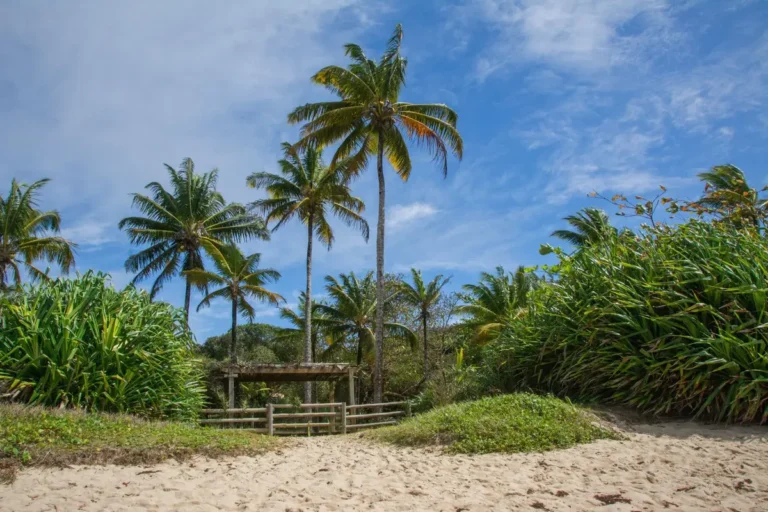
Punta del Este isn’t a single beach: the peninsula separates Playa Mansa, facing the Río de la Plata, from Playa Brava, open to the Atlantic, while Punta Ballena, La Barra, and José Ignacio require a bit of a drive. Two days keep it from turning into a quick stop at the La Mano sculpture.
Quick answer: use day one for the peninsula, the port, Mansa, Brava, and sunset; save day two for Punta Ballena and La Barra or José Ignacio. Pick your beach based on the wind and the type of water, not just the name.
Getting to Punta del Este
From Montevideo, intercity buses connect the capital to Punta del Este’s terminal. By car, the trip takes about an hour and a half under normal conditions, but summer and weekends bring heavier traffic. Punta del Este Airport is near Laguna del Sauce; arrange a transfer, official taxi, or rental car before you arrive.

On the peninsula, walking covers the port, the lighthouse, Avenida Gorlero, and La Mano. For Punta Ballena, La Barra, and José Ignacio, use a car, bus, or organized tour. If you’re starting in the capital, plan your two-day Montevideo itinerary in advance.
Best time to visit and how many days to stay
From December to February, the city is in full high season: warmer water, lively nightlife, traffic, and higher prices. Spring and early fall are great for walking, dining, and driving the coast with fewer crowds, though swimming depends on the weather. In winter, many services cut hours and the wind changes the experience.
Two days cover the peninsula and one stretch of the surroundings. Three or four nights let you switch beaches based on the wind and include José Ignacio without rushing. A day trip from Montevideo shows the highlights but misses sunrise, sunset, and dinner. In the first half of January, book accommodation and restaurants early.
Punta del Este in 2 days: Mansa, Brava, and beyond
Day 1: The peninsula and the two beaches
Start at La Mano on Playa Brava before the crowds arrive. Walk the Atlantic shoreline, cross the peninsula’s spine, and compare the water with Playa Mansa. Head to the port, where boats and the occasional sea lion set the scene; don’t feed the animals. The lighthouse and Iglesia de la Candelaria complete the circuit.

To learn about the peninsula’s history, the free walking tour of Punta del Este covers the port, lighthouse, La Mano, and the rambla. The tour is in Spanish and depends on group size; confirm the time and meeting point.
Late in the afternoon, choose Mansa or head to Punta Ballena depending on your plans. Mansa catches the setting sun in many spots and tends to have more sheltered water. Brava gets ocean swells and demands respect for the flags and lifeguards.
Day 2: Punta Ballena, La Barra, or José Ignacio
Punta Ballena lies to the west and is known for its sea views and Casapueblo. Buy tickets only through the official channel and check opening hours. To the east, La Barra features the wavy bridge, beaches, shops, and restaurants. José Ignacio is farther out and combines a lighthouse, sand, and great food; don’t try to squeeze it in with all the other spots.

What to combine with Punta del Este
Montevideo is the most natural gateway. Colonia del Sacramento fits in before or after the capital, not on the same day as Punta. Piriápolis and Cerro San Antonio make a possible detour to the west; José Ignacio extends the coast to the east. Distances look small, but parking and summer traffic change the math.
Where to eat and how to avoid peak prices
The port, Avenida Gorlero, and La Barra concentrate the restaurants. Fish, seafood, parrilla, chivito, and pasta show up often. Read the menu and confirm cover charges or service fees. In summer, dining without a reservation can mean a long wait. Markets and bakeries help balance the beach budget.
Where to stay in Punta del Este
The peninsula lets you walk to the port, Mansa, and Brava, but it can be busy. Aidy Grill balances amenities and beach access. La Barra favors restaurants and nightlife; José Ignacio offers a more laid-back vibe and higher rates. Punta Ballena works for those who want sunset views and have a car. Check parking before you book.
Practical beach and transport tips
Watch the flags, currents, and lifeguard instructions. The wind can make one beach uncomfortable and the other pleasant on the same day. Bring sunscreen, water, and a light layer for the late afternoon. The Uruguay Natural portal explains the coast’s geography; the Maldonado Intendancy lists local alerts and services.

Parking can be scarce in summer. Don’t leave valuables visible in the car and plan your return at night. For another South American beach with island logistics, compare with San Andrés in five days; for Argentina’s urban coast, see Mar del Plata in three days.
Frequently asked questions
How many days should you spend in Punta del Este?
Two days work for a first visit; three or four nights let you adjust beaches to the wind and explore the surroundings.
Which beach is better, Mansa or Brava?
Mansa tends to be more sheltered and family-friendly; Brava has waves and an Atlantic vibe. The best choice changes with the wind and sea conditions.
Is a day trip from Montevideo worth it?
It’s worth it to see the main highlights, but one night greatly improves the pace and lets you enjoy sunset and dinner.
Do you need a car?
Not on the peninsula. A car makes Punta Ballena, La Barra, and José Ignacio easier, especially outside high season.
Is Punta del Este expensive?
It can be very expensive at the height of summer. Traveling outside January, booking early, and mixing restaurants with simple options cuts costs.
Conclusion
Punta del Este makes sense when you treat Mansa, Brava, and the surroundings as different experiences. Stay at least two nights, follow the wind, and pick one area per day; Voyage Voyage helps you see beyond La Mano.