Beaches & Nature

Tulum, Quintana Roo: Beaches, Ruins, and Cenotes in One Day

🇧🇷 POR | 🇫🇷 FR | 🇺🇸 EN | 🇪🇸 ES

Tulum is no longer the boho-chic secret of the 2010s. By 2026, it’s the most photographed destination on the Riviera Maya—with all the perks (seaside Maya ruins, crystal-clear cenotes, Caribbean beaches) and the pitfalls of fame (taxis without meters, sargassum, beach clubs charging US$40 for a coconut water). This guide breaks down what’s worth it, what to skip, and how to plan 3 days that actually pay off.

Tulum, in Quintana Roo, sits 130 km south of Cancún and packs in Maya ruins overlooking the Caribbean Sea, jungle cenotes, and the world’s largest underwater cave system (Sac Actun, 347 km). Three days are enough for the ruins, a cenote morning, a beach afternoon, and a trip to the Sian Ka’an reserve. High season runs December through April; September brings sargassum to the beaches.

Getting to Tulum

Since December 2023, Tulum has its own airport (TQO — Aeropuerto Internacional Felipe Carrillo Puerto), 25 km from downtown. Airlines like Aeroméxico, Viva Aerobus, and American operate domestic flights and routes from several US cities. From Brazil, there’s still no direct flight—the cheapest route remains Cancún (CUN) followed by a ground transfer.

Maya ruins of Tulum on a cliff overlooking the Caribbean Sea
El Castillo, the only Maya archaeological site right on the beach. | Photo: Karim Hallab / Pexels

From Cancún, Tulum is about 2 hours away via Federal Highway 307. Your realistic options: ADO bus (approx. 400 MXN, ~2h20, leaves hourly from Cancún Terminal); pre-booked shared shuttle (US$25–35 per person); taxi or Uber from Cancún airport (US$130–160 for up to 4 people). Renting a car runs US$40–70 per day—worth it if you plan to hit Coba, Bacalar, or off-the-beaten-path cenotes.

If you fly into Tulum (TQO), the transfer to Pueblo costs around 500 MXN, and to the Hotel Zone, between 700 and 900 MXN. Agree on the price before getting in the car—taxis in Tulum don’t use meters, and rates are set by a local union.

Best time to visit and how many days to stay

High season runs from December to April: steady sun, calm sea, temperatures between 22 °C and 29 °C, and almost no sargassum. It’s also the priciest stretch—Hotel Zone rates easily top US$400 a night. If budget is your priority, aim for May and June: still warm, still hurricane-free, and about 30% cheaper.

Skip September and October: that’s peak sargassum season (that brown seaweed that blankets the beach and smells awful) and the highest-risk months for hurricanes. July and August are humid but offer good windows of sunshine.

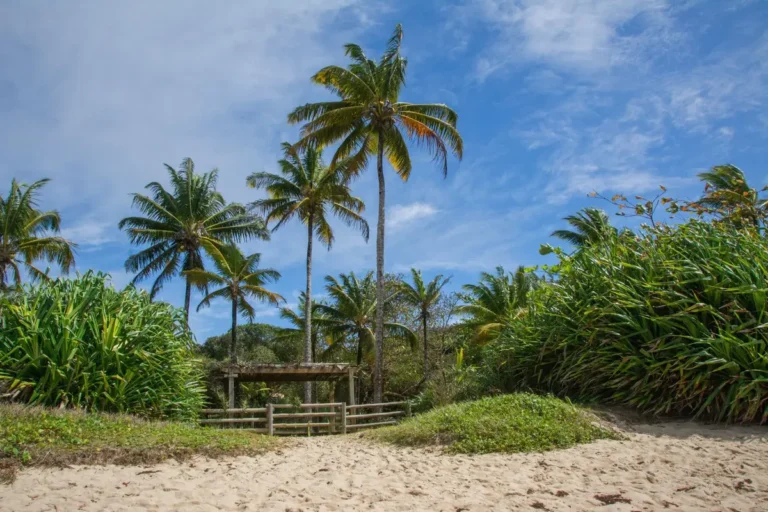
Tulum beach with white sand, palm trees, and turquoise water
The Hotel Zone is home to the most famous beaches, but nearly all are fronted by beach clubs. | Photo: Eugenio Felix / Pexels

How many days? Three nights is the honest minimum. You can knock out the ruins on the first morning, a cenote in the afternoon, a full day at Sian Ka’an or Coba, and a relaxed beach morning. Anything less turns into a rushed tour itinerary. Five days opens the door to Bacalar (the “Lagoon of Seven Colors,” 3 hours south)—the region’s most underrated trip.

What to see in Tulum

The town has four tourist pillars: ruins, cenotes, beaches, and the reserve. All are worth visiting, in whatever order respects the heat (ruins early morning, beach in the afternoon).

Tulum Archaeological Zone

It’s the only Maya site built on a cliff overlooking the sea—reason enough to pay the 515 MXN (~US$28, as of July 2026) combined entry fee (Archaeological Zone + Parque del Jaguar). Open 8am–5pm; arrive right at 8am to catch the site cool and before the Cancún tour buses roll in. Book your combined Tulum and Coba tour if you want to include the Nohoch Mul pyramid (one of the few you can still climb).

Cenotes

Tulum sits atop the Sac Actun system, the largest underwater cave network on the planet. Some of the best are within a 10 km radius: Gran Cenote (easy, with turtles), Dos Ojos (cave diving with natural light), Cenote Calavera (great for jumping), and Cenote Escondido (less touristy). The water stays at 24 °C year-round, which feels freezing after the heat outside.

Inside a cenote in Tulum with crystal-clear water and rock formations
The inside of a cenote—a natural pool sacred to the Maya. | Photo: Mauricio Borja / Pexels

Sian Ka’an

A UNESCO World Heritage Site, this biosphere reserve spans 528,000 hectares of mangroves, cenotes, islands, and one of the Caribbean’s most important bird habitats. You can only visit with an authorized guide—the reserve doesn’t allow self-guided entry.

Best day-trip combos

Pairing two attractions in one day is the only way to make the expensive Riviera Maya transport worthwhile. The combos that work best: ruins + Gran Cenote in the morning (it’s 15 minutes away); Sian Ka’an + dinner in Muyil; or cenote + Akumal for turtle snorkeling. If you have an extra day to spare, you can slot in Chichén Itzá from Cancún on a third day—the route passes near Valladolid, a great stop to sleep and shorten the drive back.

If you’re short on time and don’t want to rent a car, a solid alternative is the Sian Ka’an reserve tour with a bilingual guide, which includes transport, a boat ride through the Maya canals, and a fresh fish lunch.

Where to eat without breaking the bank

The Hotel Zone is packed with photogenic, pricey restaurants—dishes run US$25–50. The Pueblo (downtown) is where locals eat for 100–200 MXN a plate. A few real standouts:

Antojitos La Chiapaneca (Pueblo). Tacos al pastor at 20 MXN each. The line runs late into the night—it’s the best tacos-per-peso in town.

Batey Mojito & Guarapo Bar. A mojito bar with a live sugarcane press. Cocktails go for 150 MXN, versus 350–500 at the beach clubs.

El Camello Jr.. Ceviche and shrimp cocktail made to order. Expect a good line on Thursday and Saturday nights.

Hartwood. If you want to experience the Tulum of magazine spreads, this is the spot—wood-fired cooking, local ingredients, US$90–130 per person. Reserve a month ahead.

Where to stay: Pueblo, Hotel Zone, or Aldea Zamá

There are three distinct neighborhoods, and your choice affects the price, the distance to the beach, and the overall experience.

View of a Caribbean beach in Tulum with turquoise waters and a strip of white sand
The classic Tulum coastline view: turquoise and empty—but only in the early morning hours. | Photo: Camilo Laverde / Pexels

Pueblo (downtown). Rates between R$ 150 and R$ 500. Great for a tight budget, with good food and nightlife. The beach is a 15-minute bike ride or a 100 MXN taxi ride away.

Hotel Zone. Rates between R$ 1,200 and R$ 4,000. You wake up with the ocean at your doorstep and pay for it—including in your minibar tab. It makes sense for a honeymoon or the final 2 nights of your trip.

Aldea Zamá. The new neighborhood, between Pueblo and the Hotel Zone. Gated communities, apartments with pools, rates between R$ 400 and R$ 900. The best value in 2026 for families or groups, with decent Airbnbs and a supermarket nearby.

Practical tips to avoid getting ripped off

Only take taxis with the fare agreed on beforehand: the standard is 100 MXN within Pueblo, 300–400 MXN to the Hotel Zone, and 200 MXN to the nearby cenotes. Uber exists, but coverage is spotty and drivers avoid areas with taxi unions.

Bike rentals go for 200 MXN a day—the cheapest and most enjoyable way to get around between Pueblo, the nearby cenotes, and the coastline. The bike lanes are flat and reasonably well-marked.

Bring cash in pesos: many beach clubs charge in dollars, and the built-in conversion usually costs you 10% more. Santander and HSBC ATMs in Pueblo accept Brazilian cards without a hassle.

A traveler’s health card became mandatory in 2025 for reimbursement at public cenotes after accidents—bring both a printed and digital copy. Also check the updated consular information from the Ministry of Foreign Affairs before you travel.

Frequently asked questions

Is Tulum safe for Brazilians in 2026?

Yes, within the tourist areas (Pueblo, Hotel Zone, Aldea Zamá, popular cenotes). Avoid walking alone on the Beach Road after dark and don’t venture outside the city limits without a guide. Stick to taxis with a pre-agreed fare or ride-hailing apps.

Do I need a visa for Mexico?

Brazilians don’t need a visa for tourism stays of up to 180 days. You must present the Multiple Migratory Form (FMM), filled out online or upon arrival. Your passport needs to be valid for at least six months.

Is Tulum or Playa del Carmen more worth it?

Tulum is for those who want nature, ruins, and a slower vibe. Playa del Carmen is more urban, with Quinta Avenida packed with shops, and better for nightlife. If you can manage two nights in each, that’s the ideal scenario. To compare all three bases side by side, check out Cancún, Playa del Carmen or Tulum: where to stay.

Can you swim in Tulum’s beaches?

Yes, most beaches have calm, crystal-clear water. During sargassum season (July to October), the Hotel Zone beaches are usually cleaned by the hotels early in the morning. The cenotes are a safe alternative year-round.

What’s the difference between Tulum, Playa del Carmen, and Cancún?

Cancún is all-inclusive resorts and nightlife. Playa del Carmen is an urban boutique scene with a pedestrian main strip. Tulum is nature + boho-chic + ruins. Each one suits a different type of trip, and they’re 45–130 km from each other on the same road.

Conclusion

Tulum in 2026 rewards those who arrive prepared. If you hit the ruins at 8am, take a dip in a cenote before lunch, pick a restaurant in Pueblo instead of a beach club, and sleep in Aldea Zamá, you’ll leave with one of the best trips in Mexico—without the shock on your credit card bill. Safe travels with Voyage Voyage.