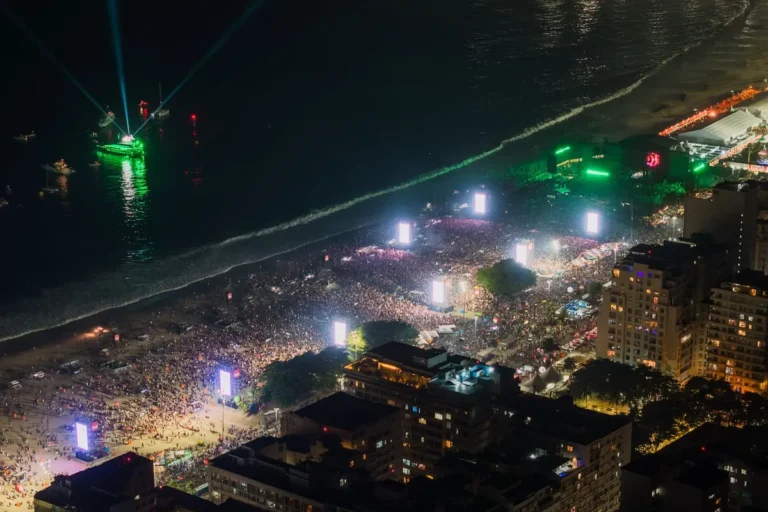
Valencia works beautifully for anyone who wants an urban getaway at an easygoing pace: you can wander between the market, the cathedral, and historic squares in the morning, spend the afternoon taking in futuristic architecture and the beach, and cap off the day with real rice on the table. If you’re wondering whether the city deserves a spot on your Spain itinerary, the short answer is yes—especially when you organize your time by neighborhood.
For a first visit, Valencia needs 2 to 3 full days: 1 day for the historic center, 1 for the City of Arts and Sciences plus the waterfront, and 1 more if you want to fit in Albufera, museums, or a relaxed morning at the beach.
Getting to Valencia
Valencia Airport sits about 8 km from the center, in Manises, and that detail changes your arrival logistics quite a bit: you don’t need to set aside half a day just to get into the city. According to Aena and the official Visit Valencia portal, Metrovalencia lines 3 and 5 connect the airport to the center in about 20 minutes. If you’re traveling light and want to save some cash, it’s the simplest option.

If you’re arriving by train, Estació del Nord is more convenient than it looks on the map because it drops you right near the Ciutat Vella and walkable neighborhoods. Coming from Madrid or Barcelona, this smooth entry is a reminder of why well-connected urban routes often pay off more than rushed trips. If you’re putting together a bigger Spain circuit, it’s worth cross-referencing this guide with our Madrid guide and our piece on Barcelona beyond the Sagrada Família.
Taxis and ride-hailing apps work well when your flight lands late or you’re hauling big bags, but for stays in the Ciutat Vella, Ruzafa, or near Colón, the metro usually beats the traffic and saves you steps. The best call here isn’t glamorous—it’s practical: pick a base near the metro and walk the rest.
Best time to visit and how long to stay
Valencia has a Mediterranean climate, so you’ll almost always get blue skies, but the experience shifts quite a bit depending on your trip’s goal. For exploring the city on foot, April, May, June, September, and October usually offer the best balance of temperature, great light for strolling, and less physical wear and tear. July and August work better if you want to combine city and beach, but the heat on the pavement and in the lines hits harder than in purely coastal destinations.
March is a special case because of Las Fallas, the city’s most famous festival. During that time, Valencia gets crowded, pricier, and a whole lot louder. If you want to see fire monuments, mascletàs, and a city buzzing with energy, great. If your idea is a calm itinerary of museums, markets, and biking along the old Turia riverbed, better to skip those dates.
As for how long to stay, two days are enough to understand why Valencia is one of the easiest Spanish cities to love, but three days make the itinerary feel complete. You can split your time between the historic center, the City of Arts and Sciences, the Malvarrosa waterfront, and a quick trip to Albufera without turning the trip into a frantic checklist. With four days, you can add museums, a bike ride through the Jardín del Turia, and longer, more leisurely meals. The city rewards you most when you settle into a neighborhood rhythm, not a marathon pace.
Things to do in Valencia
The best Valencia itinerary layers very different sides of the city. Start in the Ciutat Vella, where you’ll find the Cathedral, Plaza de la Virgen, the Lonja de la Seda, and the Central Market. Even if you’re not someone who usually cares about “seeing churches and historic buildings,” you’ll likely change your mind here—the old center is compact, incredibly walkable, and full of small pauses that make sense: a quick coffee, a cold horchata, a shady corner, a market that’s genuinely alive.

Then head to the City of Arts and Sciences, Valencia’s most striking contemporary complex. The official tourism site highlights six main elements there: Hemisfèric, the Science Museum, Umbracle, Oceanogràfic, Palau de les Arts, and Àgora. Even if you don’t go inside all of them, it’s worth setting aside time to wander the area slowly, because the scale of the buildings completely changes how you see the city. This isn’t a spot to “pass through and snap a photo”; it’s where Valencia shows off its most futuristic side.
The third pillar of the itinerary is the Jardín del Turia, the park that fills the old riverbed. It stitches together different neighborhoods and helps explain why the city works so well on a bike. If you’re short on time, use the park as a connector between the center and the City of Arts area. If you have more breathing room, also fit in the El Carmen neighborhood, with its narrow streets and bohemian vibe, or keep going toward the coast.
On the beach front, Malvarrosa is the easiest pick for a first visit, but it’s not the only one. The official tourism board also highlights Cabanyal and Patacona as convenient urban stretches, while El Saler is a better fit if you want a more natural stretch of coast. The trick is not to sell Valencia as a “beach city” or ignore the sea entirely: it works precisely because it delivers both. If you enjoy that balance of historic heritage and outdoor living, you might also like our guide to historic Rome or our Vienna itinerary, each in its own way.
What to pair with Valencia
If you have three or more days, the best complement to Valencia is Albufera. The area is tied to the origins of Valencian paella and adds a completely different landscape to your trip: rice paddies, a lagoon, boats, and a more horizontal, open atmosphere. It’s the kind of day trip that makes sense because it connects with the city’s identity, not just because you “have a day to spare.”
If you’d rather have the logistics sorted in advance, a good option is to book the Albufera tour departing from Valencia, especially if you want to visit the area without juggling bus connections and less intuitive schedules.
Another combination that tends to work well is splitting your trip between Valencia and Barcelona when the focus is city + beach, leaving Madrid for a separate itinerary. This avoids too much back-and-forth travel and keeps the trip feeling lighter. If you’re planning a bigger European circuit, Valencia also fits in beautifully as a less obvious pause between more crowded capitals.
Where to Eat in Valencia
Valencia has a sensitive spot worth addressing head-on: a lot of people arrive wanting to “grab any old paella” at the first touristy terrace they see and leave feeling like the hype was overblown. It’s not. The problem is usually the choice. Traditional Valencian paella has very local roots, and the Albufera region keeps popping up in the city’s tourism sources as the epicenter of this rice culture.

If the plan is to try paella with a bit more discernment, it’s worth checking the official selection of where to eat paella in Valencia and choosing in advance. For a first trip, it makes more sense to set aside an entire lunch for it than to squeeze the dish in at the end of the day, tired and without a reservation. Good paella in Valencia is an event, not a filler.
Beyond the rice, the Central Market easily makes its way into your itinerary for snacking and soaking up the local rhythm. Ruzafa and the area around Colón, meanwhile, work better for contemporary dining, brunch, and trendier bars. If you’re after a more maritime experience, you can pair the beach with lunch in Malvarrosa or head toward Cabanyal, where the city takes on a whole different texture.
Where to Stay in Valencia
The best base depends on the kind of trip you’re planning, but the first decision is simple. Ciutat Vella works for those who want to do almost everything on foot and wake up right inside the historic quarter. You lose a bit of nighttime tranquility on some streets, but you gain travel time and that great feeling of stepping out of your hotel and being right in the heart of the action.
Ruzafa is the neighborhood that tends to please those who love cafés, restaurants, and a more local-contemporary vibe. It’s practical for eating well and stays relatively well-connected to the center and other parts of the city. The Colón or Eixample area, on the other hand, is a safe bet for those who prefer a middle ground between urban organization, shopping, and easy mobility.
If the beach weighs more heavily on your plan than museums and churches, then it makes sense to look at Malvarrosa or areas near Cabanyal. Just keep in mind that the experience shifts: you gain early access to the sea, but you lose that spontaneity of stepping out and immediately diving into markets, cathedrals, and plazas. For a first visit to Valencia, the expanded center almost always delivers more than sleeping by the waterfront.
Practical Tips
Build your itinerary by zones, not by a list of attractions. One day for the historic center, another for the City of Arts & Sciences + Turia + the beach, and a third for Albufera or museums will take care of most of the logistical anxiety. This approach avoids useless back-and-forth and leaves room for the kind of pauses that make the city even better.

If you plan to explore the City of Arts and Sciences in depth, it’s worth comparing tickets and hours beforehand. Those who want context without planning everything from scratch can also book a free tour of Valencia on the first day and use the walk to decide what deserves a return visit later.
Another important point: always double-check hours, rates, and updated rules directly on official pages when the information is time-sensitive. This is especially true for paid attractions, museums, and transportation. On the flip side, the big pillars of your itinerary are stable: a compact historic center, an excellent linear park, striking contemporary architecture, and urban beaches that are easy to fit in.
Frequently Asked Questions
How many days are ideal for visiting Valencia?
For a first trip, 2 days cover the essentials, but 3 days make the itinerary much more comfortable. With that time, you can split up the historic center, the City of Arts and Sciences, the beach, and still fit in Albufera or a museum without rushing.
Is it worth including the beach in Valencia?
Yes, especially if you’re traveling between late spring and early fall. Malvarrosa, Cabanyal, and Patacona are easy to combine with the rest of your itinerary, and El Saler is a great pick for those wanting a less urban setting.
How do I get from the airport to Valencia’s center?
The simplest way is usually the metro. Lines 3 and 5 connect the airport to the center in about 20 minutes, according to Aena and Visit Valencia. Taxis and ride-hailing apps make sense for late arrivals or heavy luggage.
Where should I stay in Valencia on a first visit?
Ciutat Vella is great for doing a lot on foot. Ruzafa works really well for those who want cafés, restaurants, and a more contemporary vibe, while the Colón and Eixample area offers good mobility and a balanced base.
Does Valencia lean more toward historic city or beach?
Both — and that’s exactly its edge. Valencia doesn’t compete with Spain’s islands on beach experience, nor with major capitals on monumental density, but it blends a historic center, an urban park, contemporary architecture, and the sea in a way that’s incredibly efficient for short trips.
Conclusion
Valencia makes sense for anyone who wants Spain without an overloaded agenda: a city where you can see a lot, eat well, and catch your breath between activities. If your trip calls for a historic center, an urban beach, and an itinerary that doesn’t run out of steam by day two, this is one of the most well-rounded destinations on Voyage Voyage to add to your list.